Our itinerary
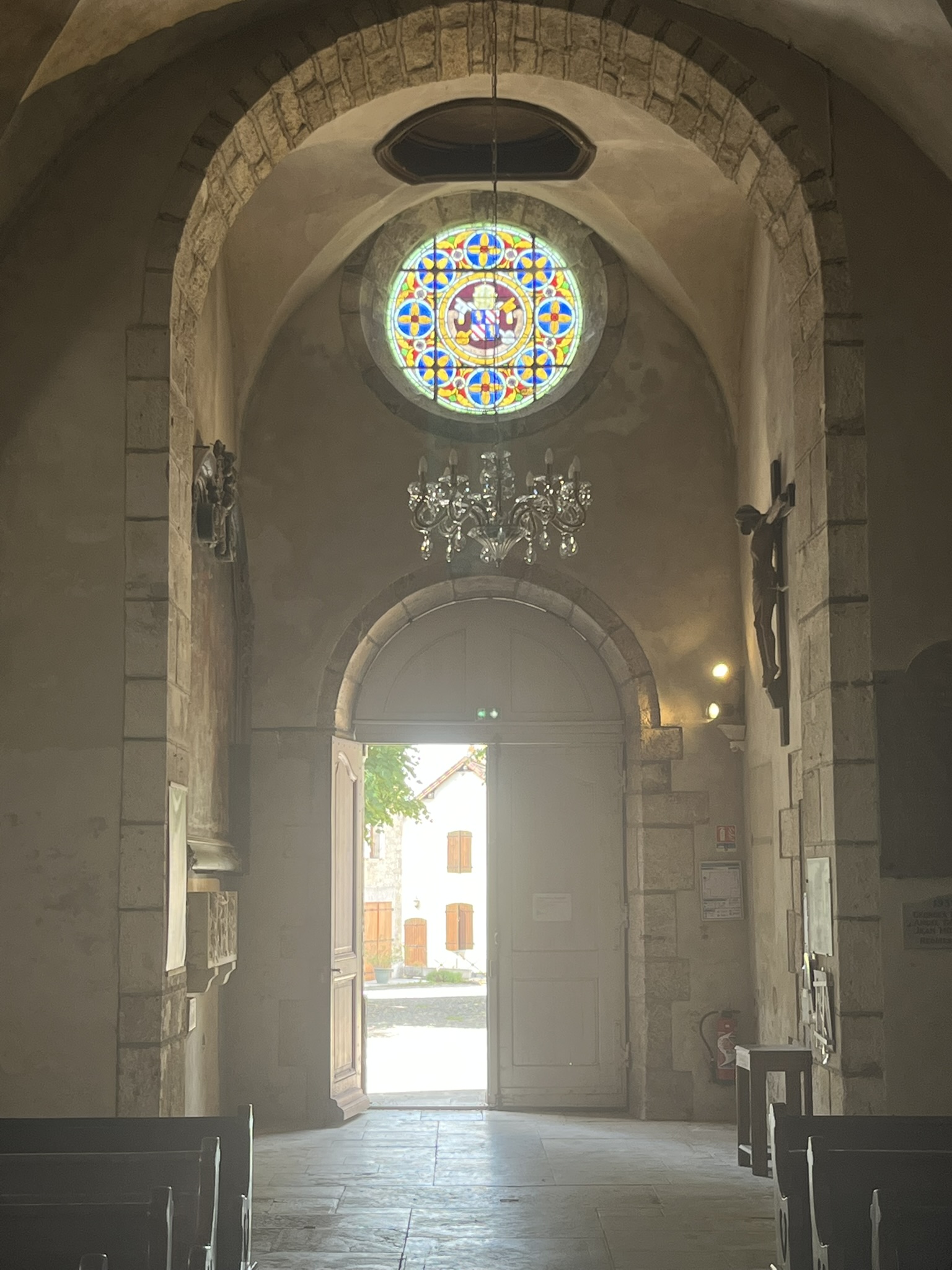
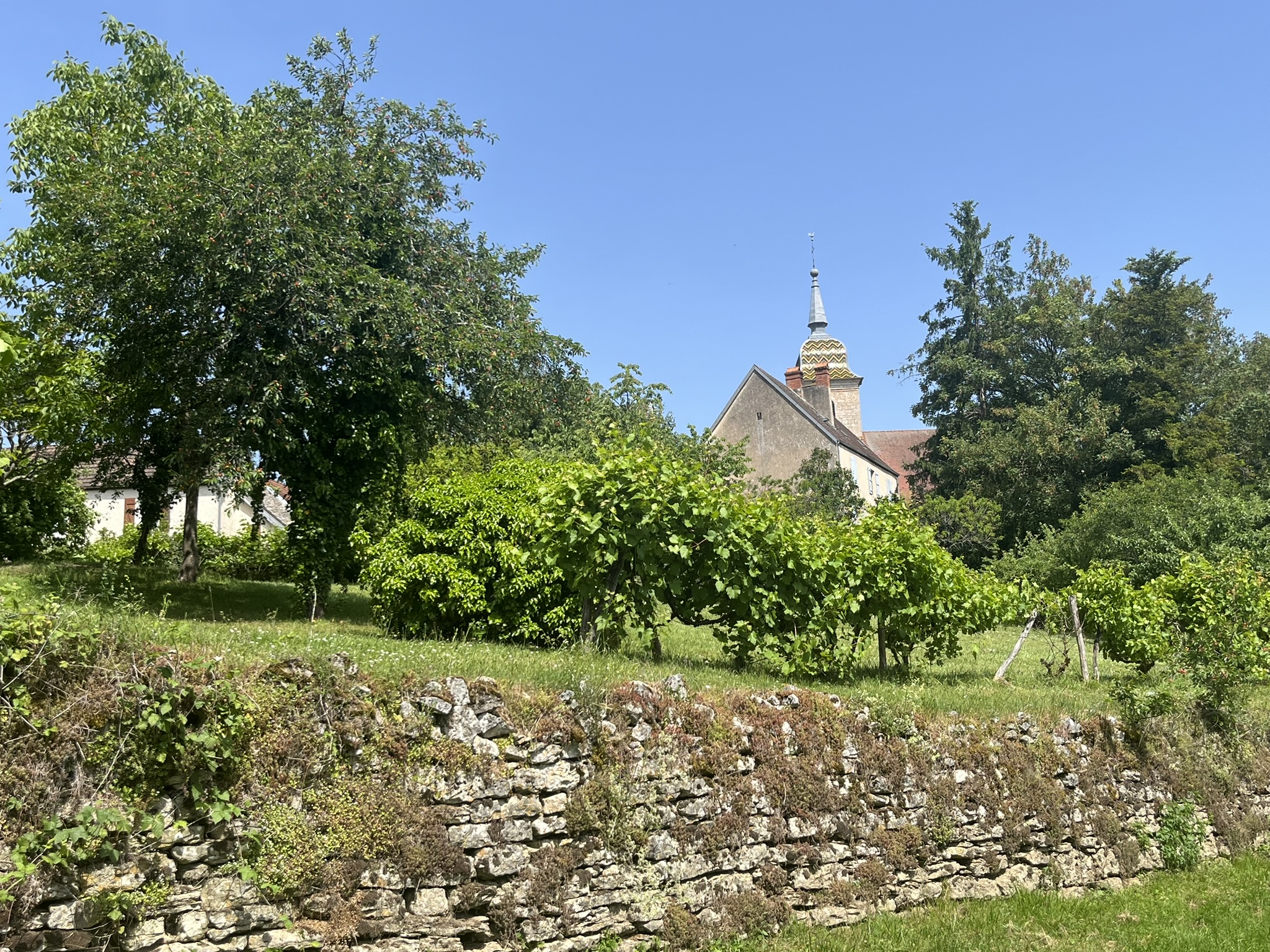
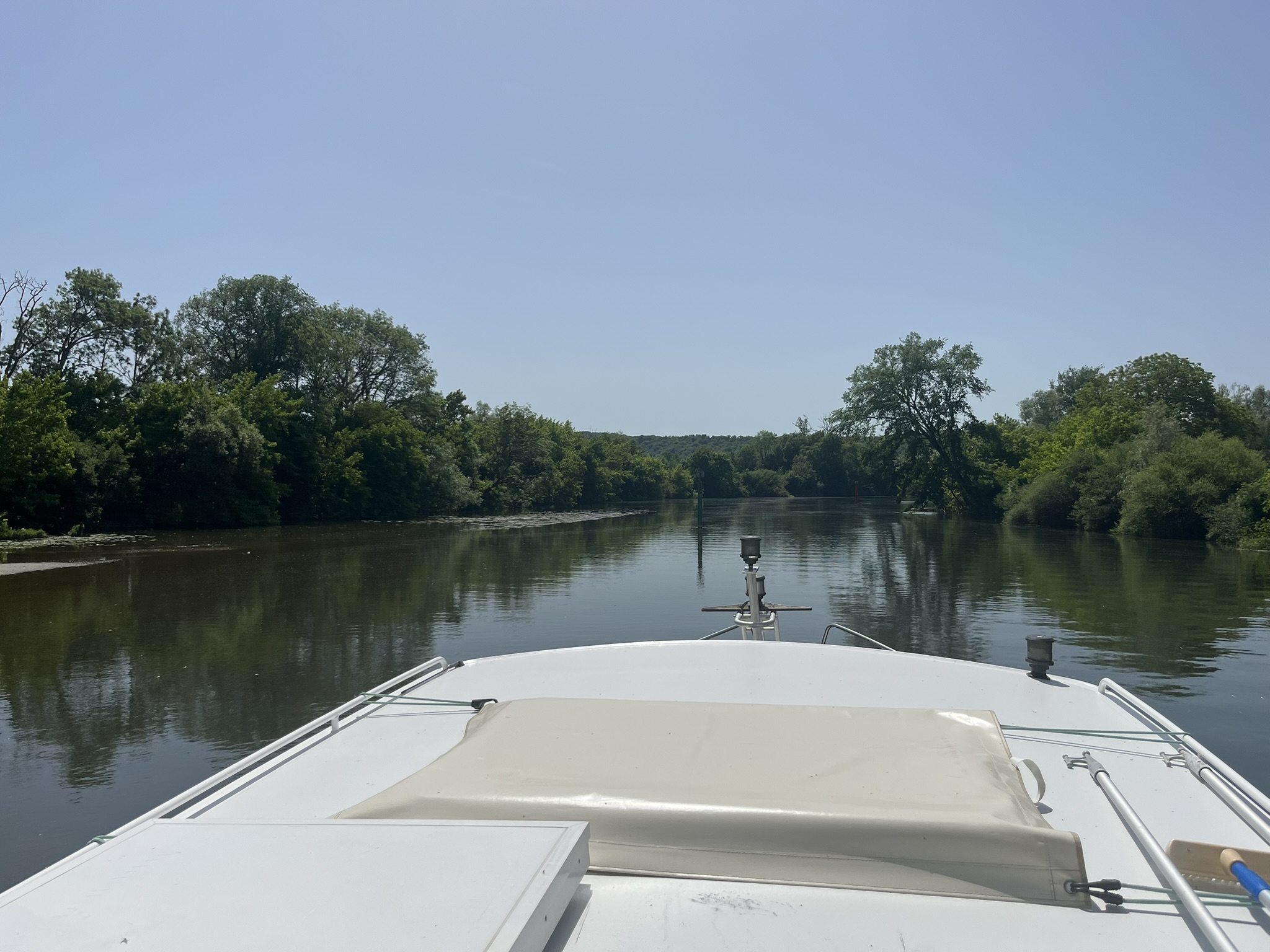
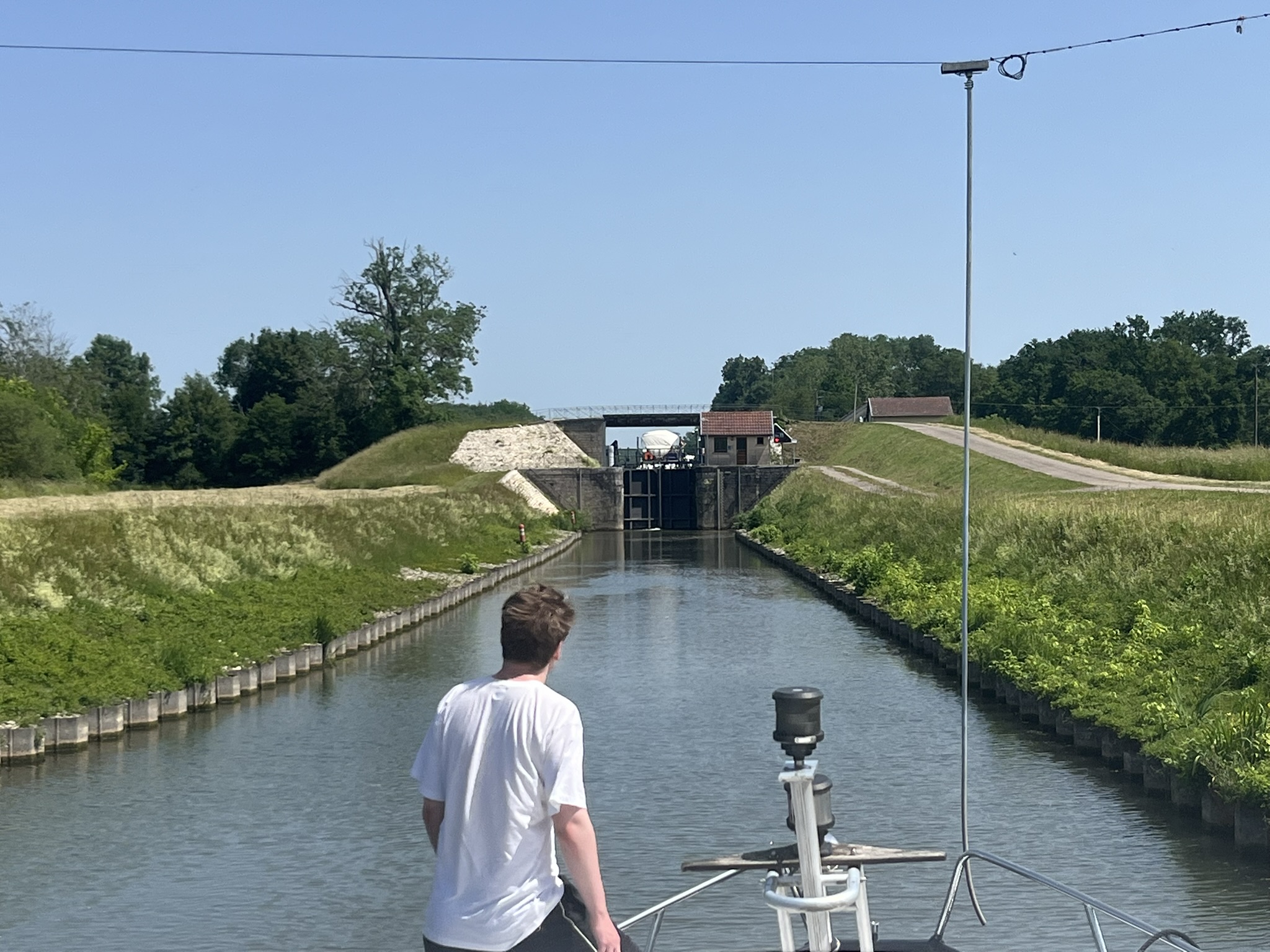
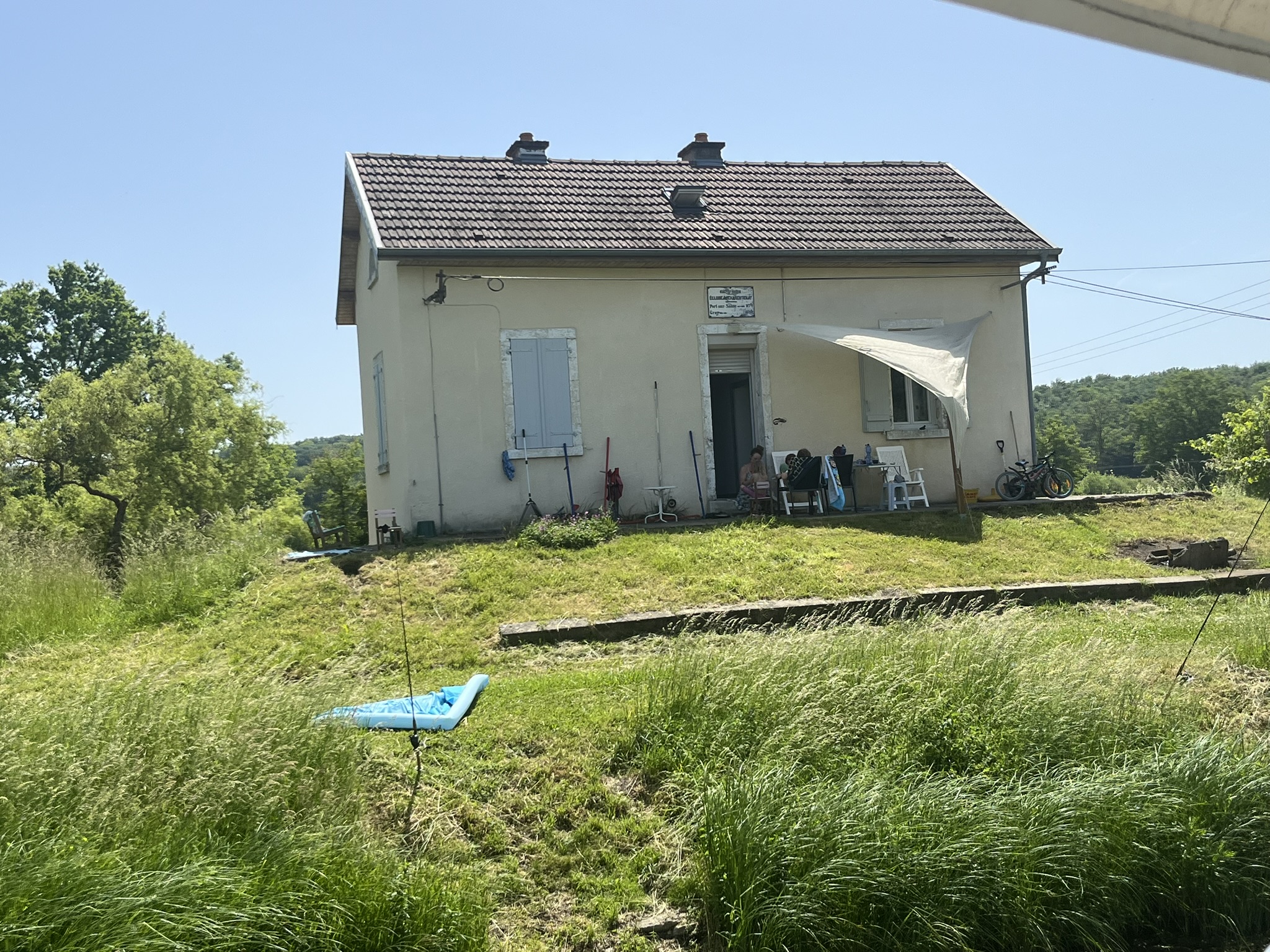
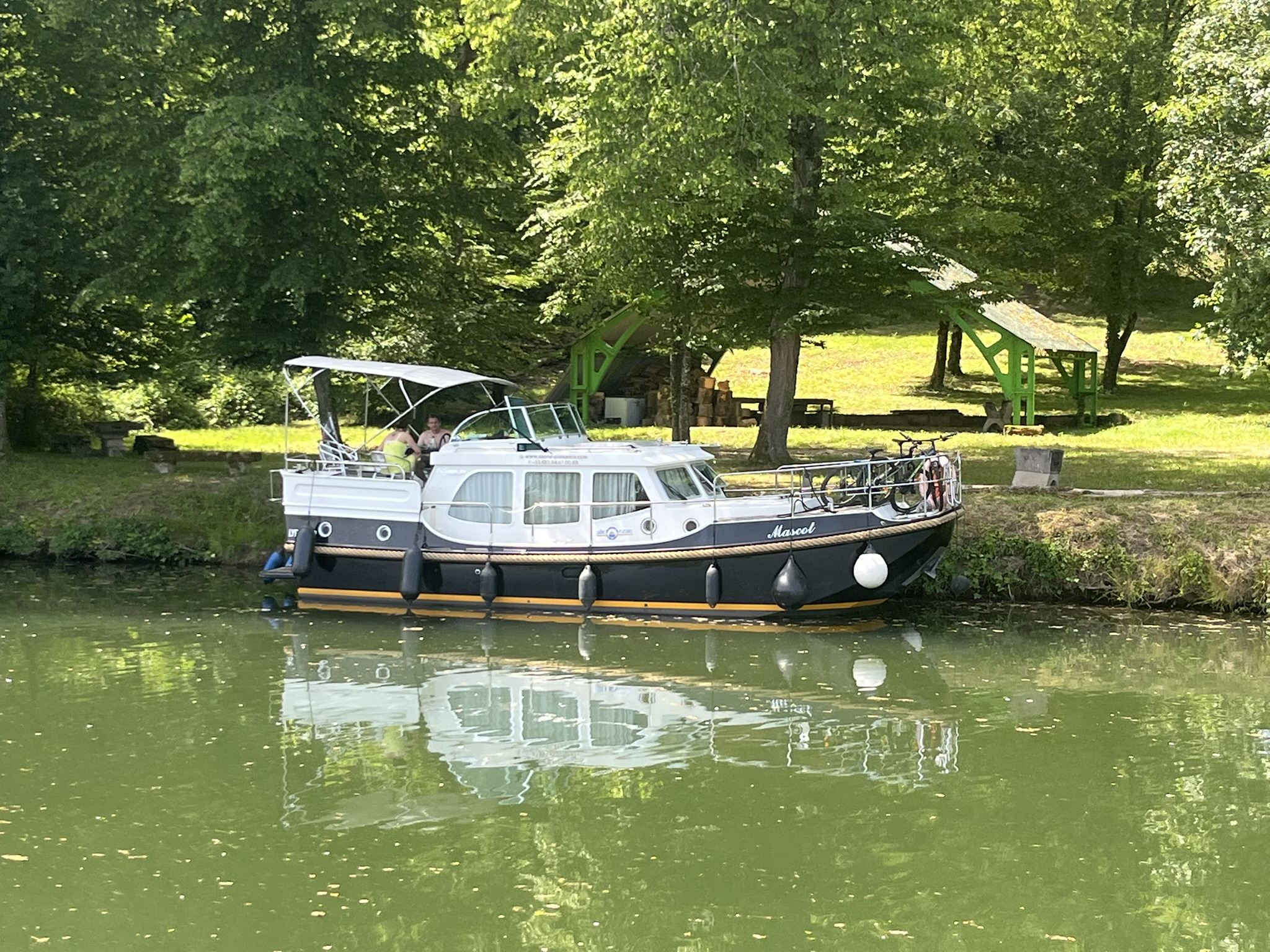
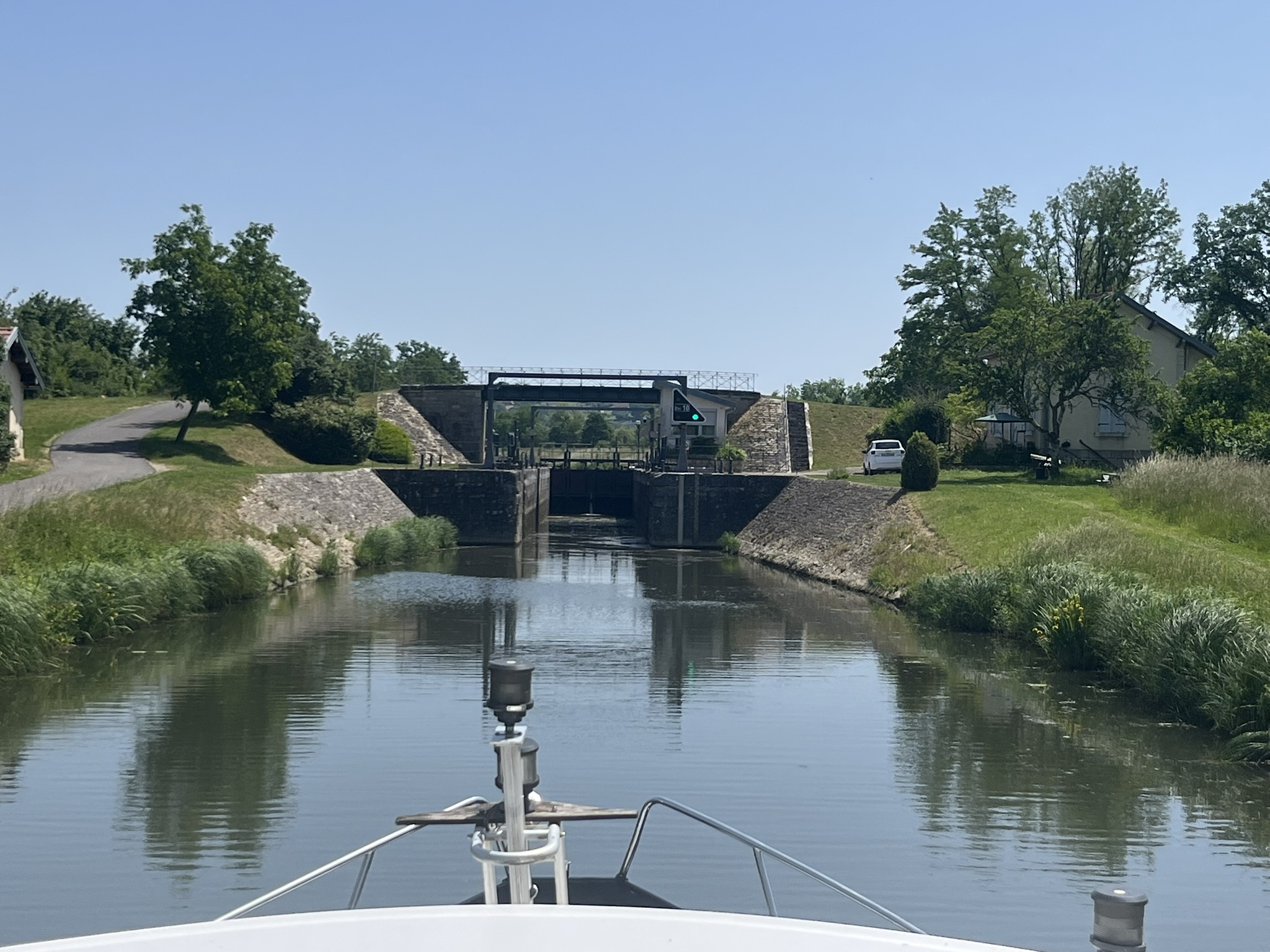
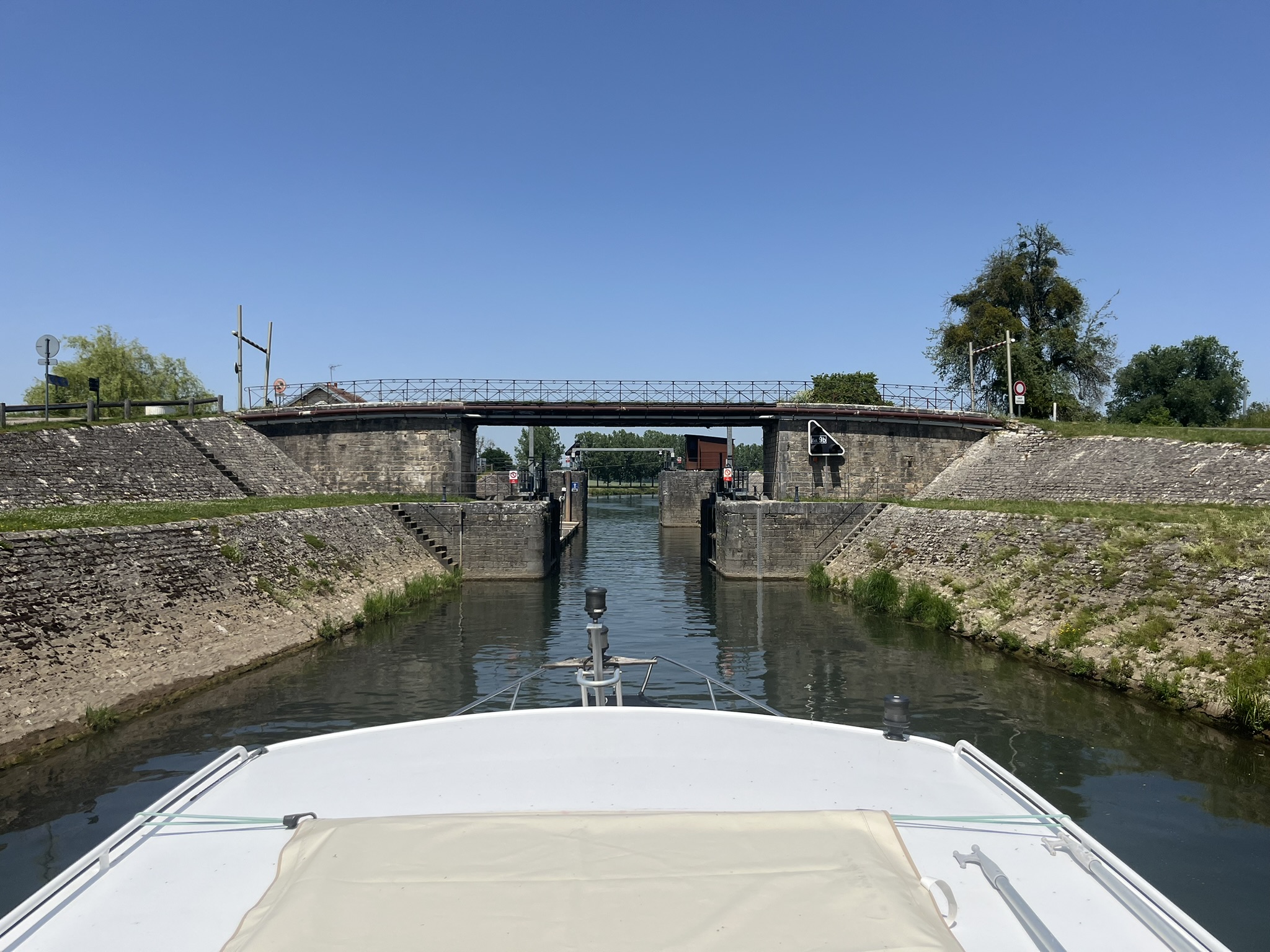
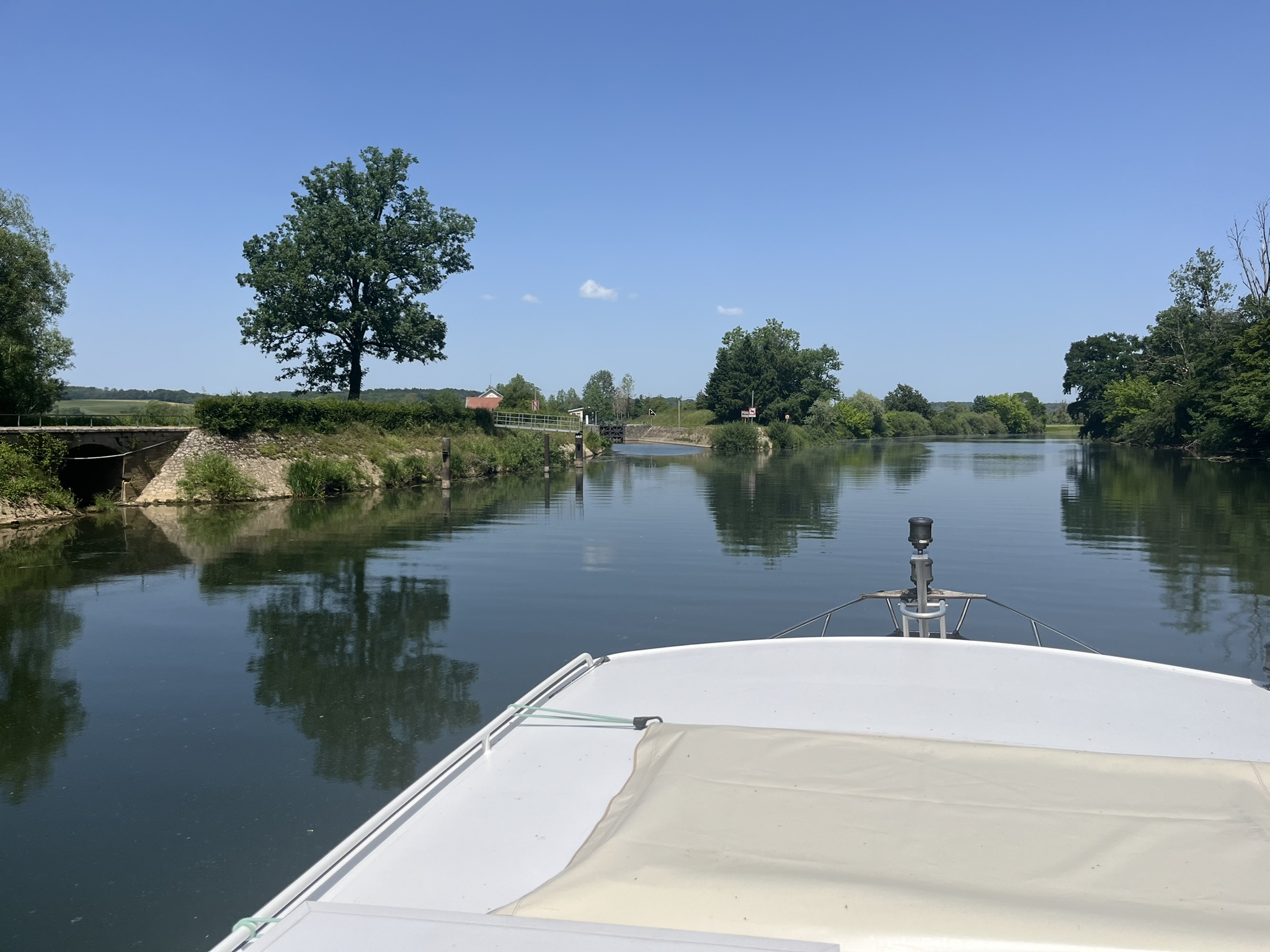
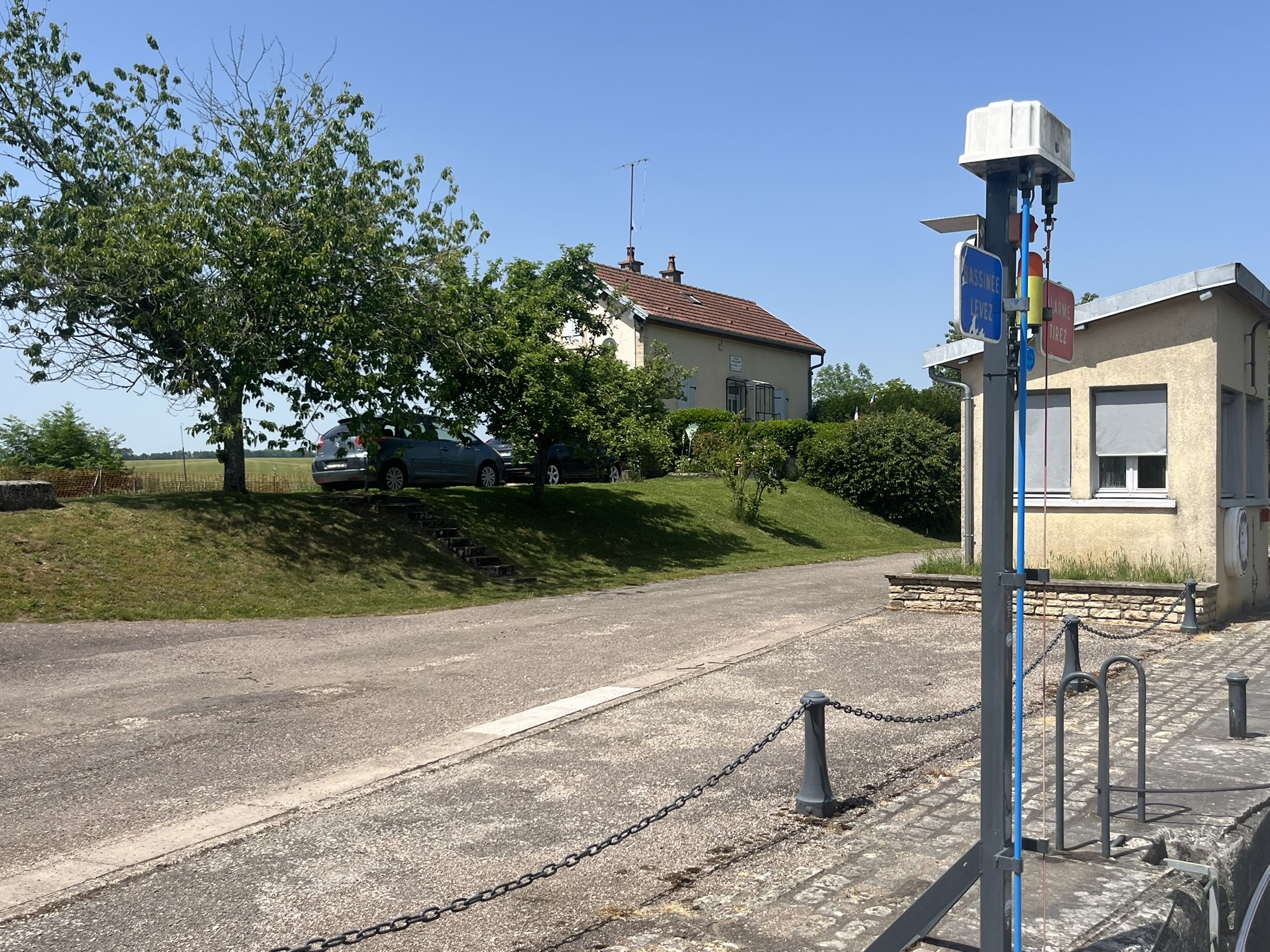
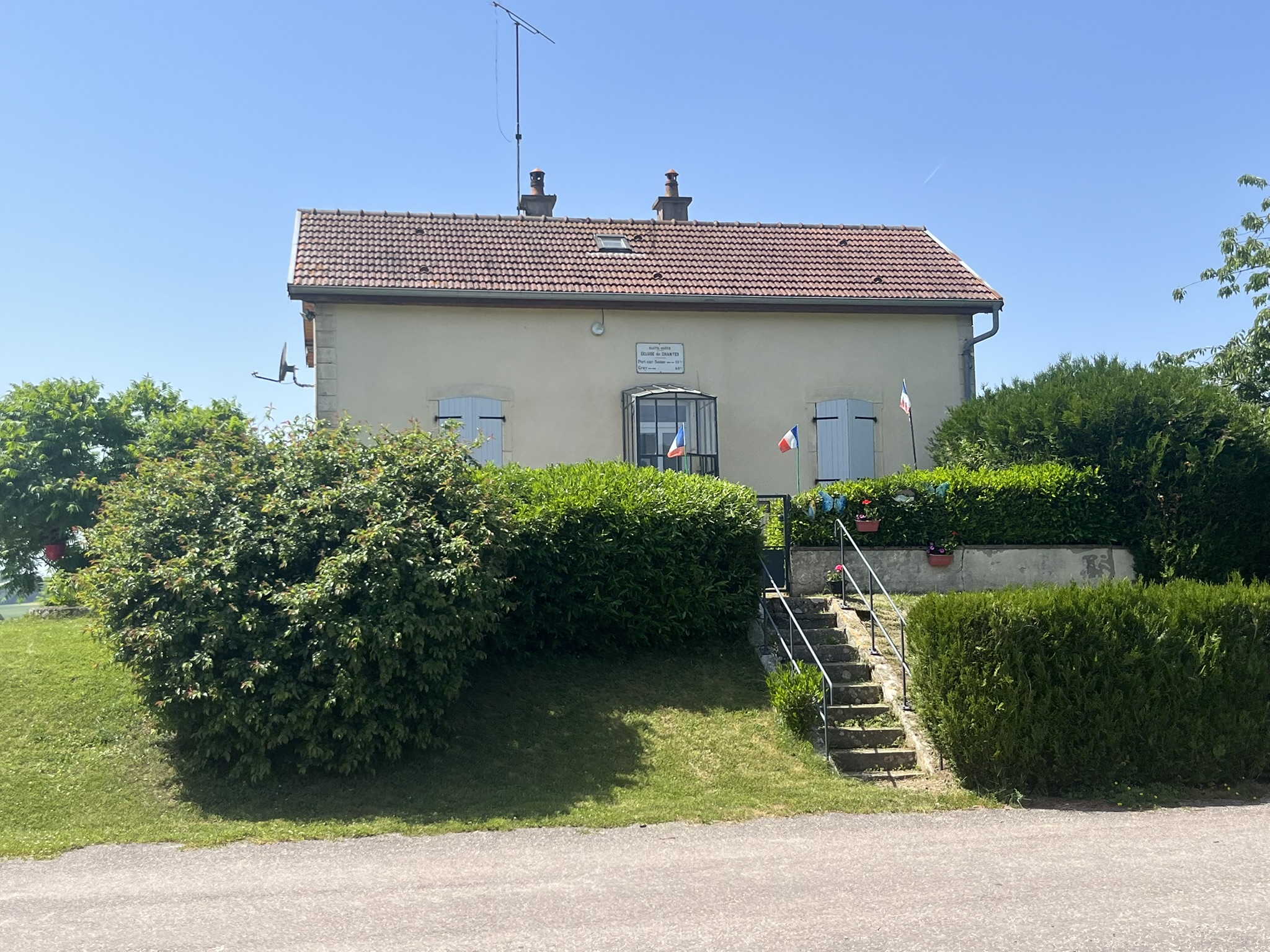
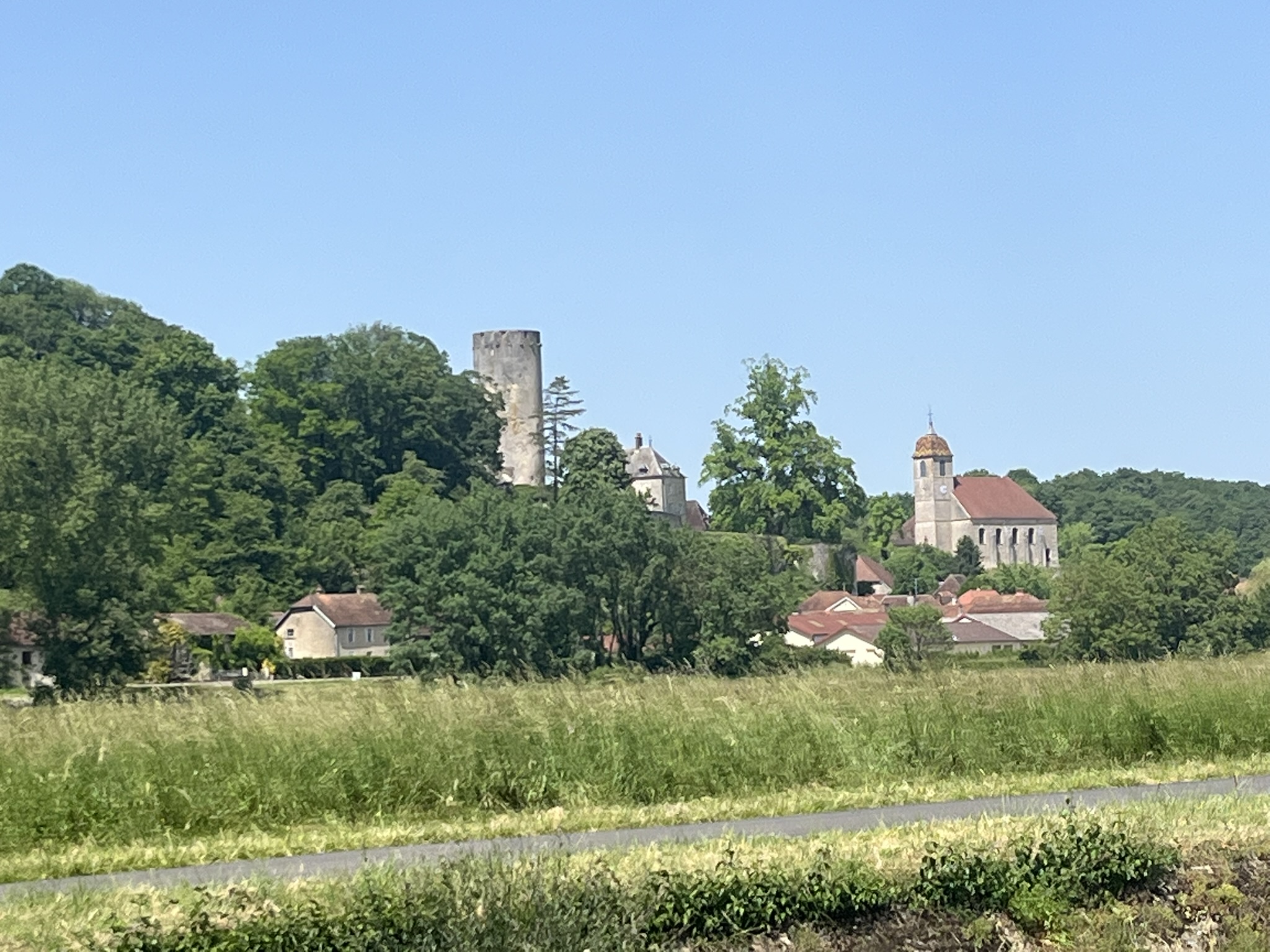
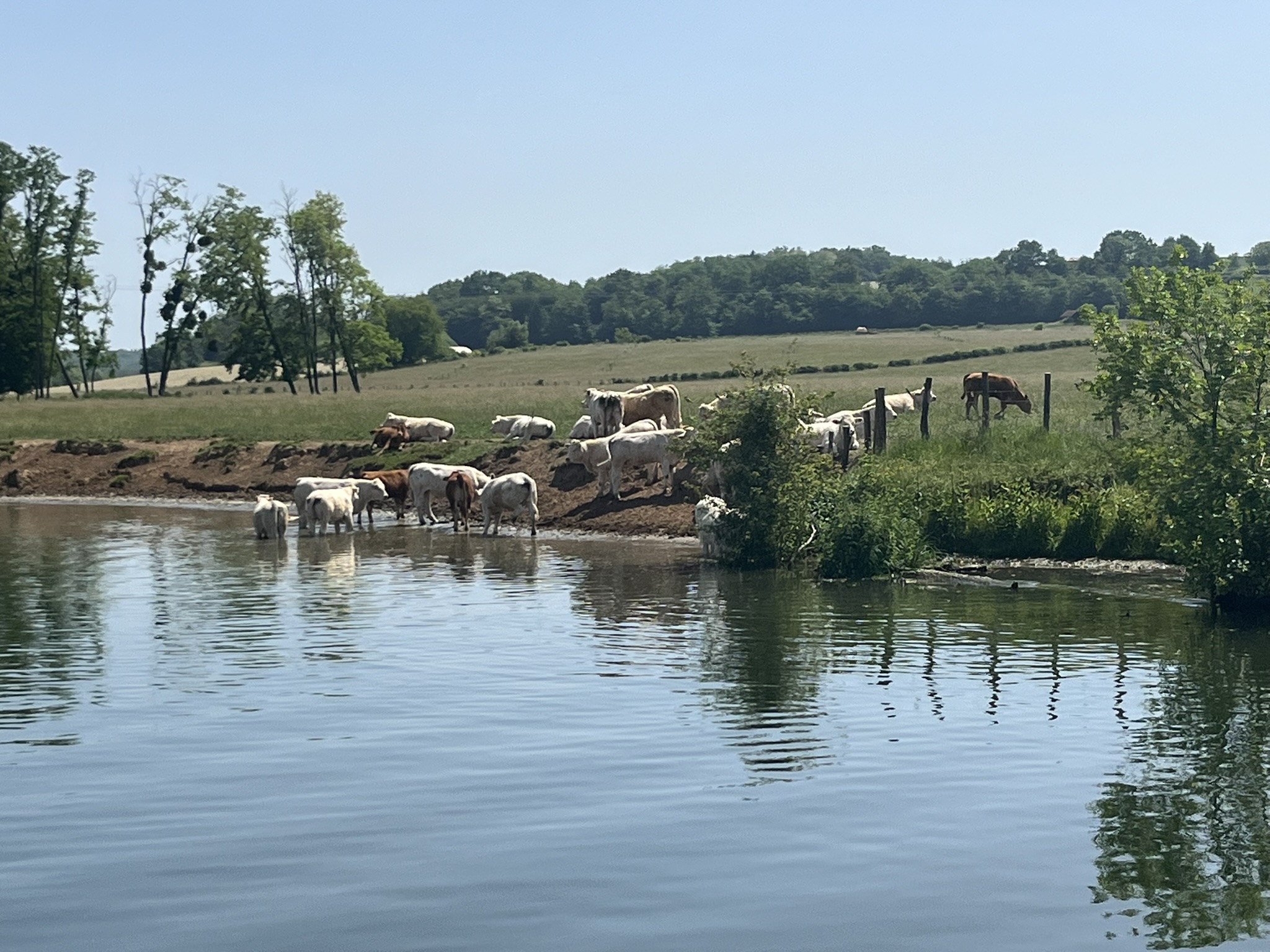
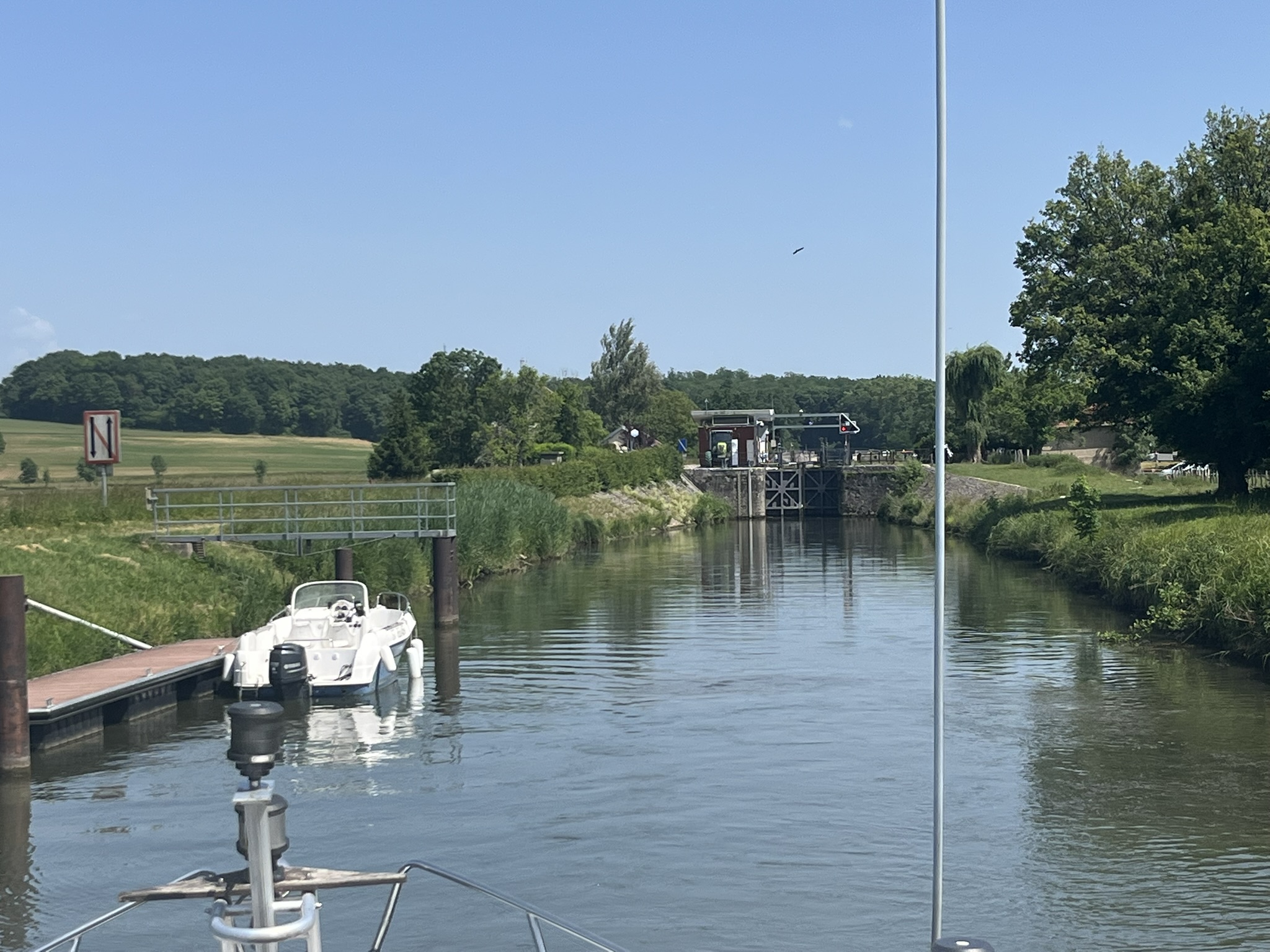
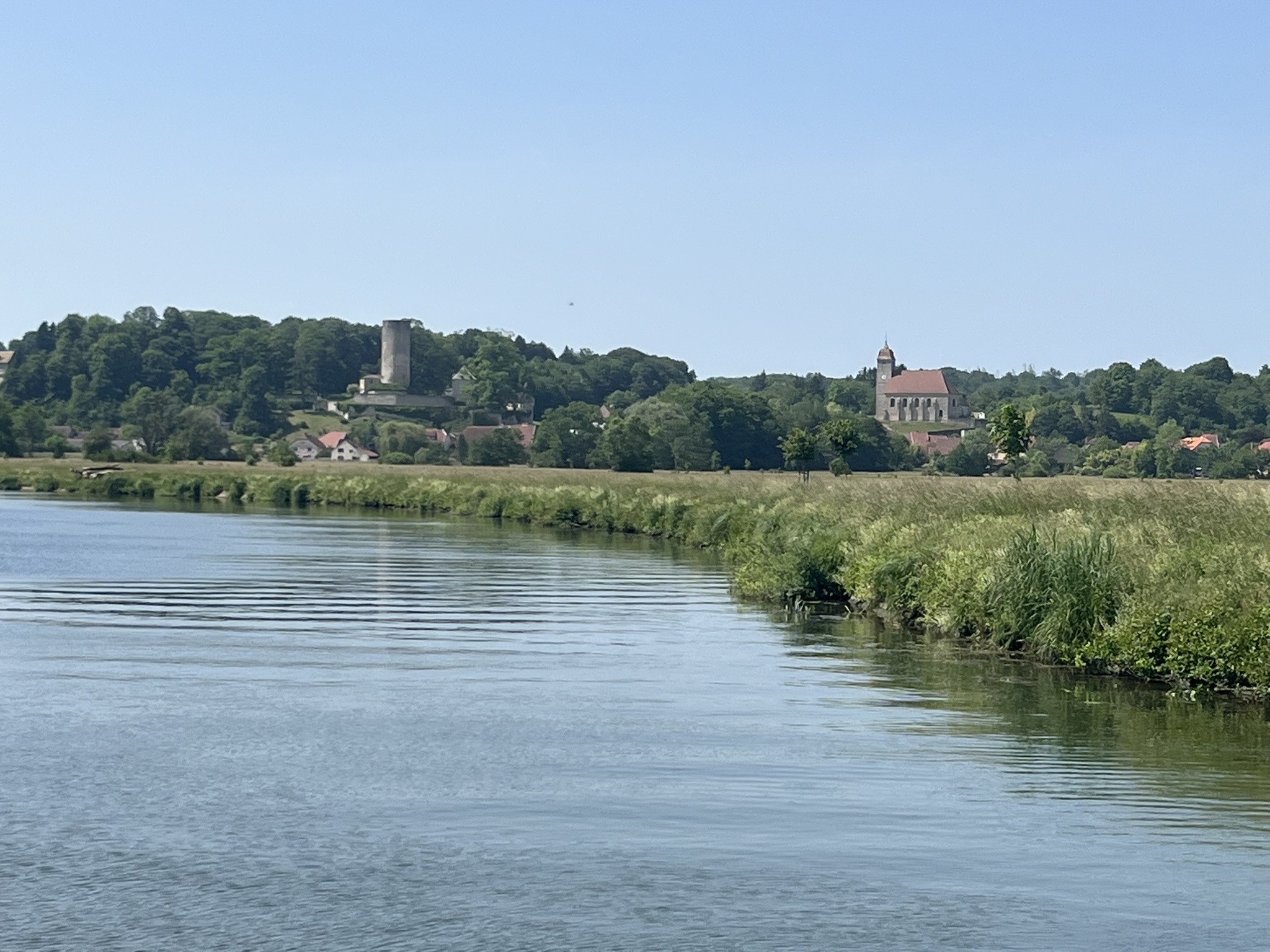
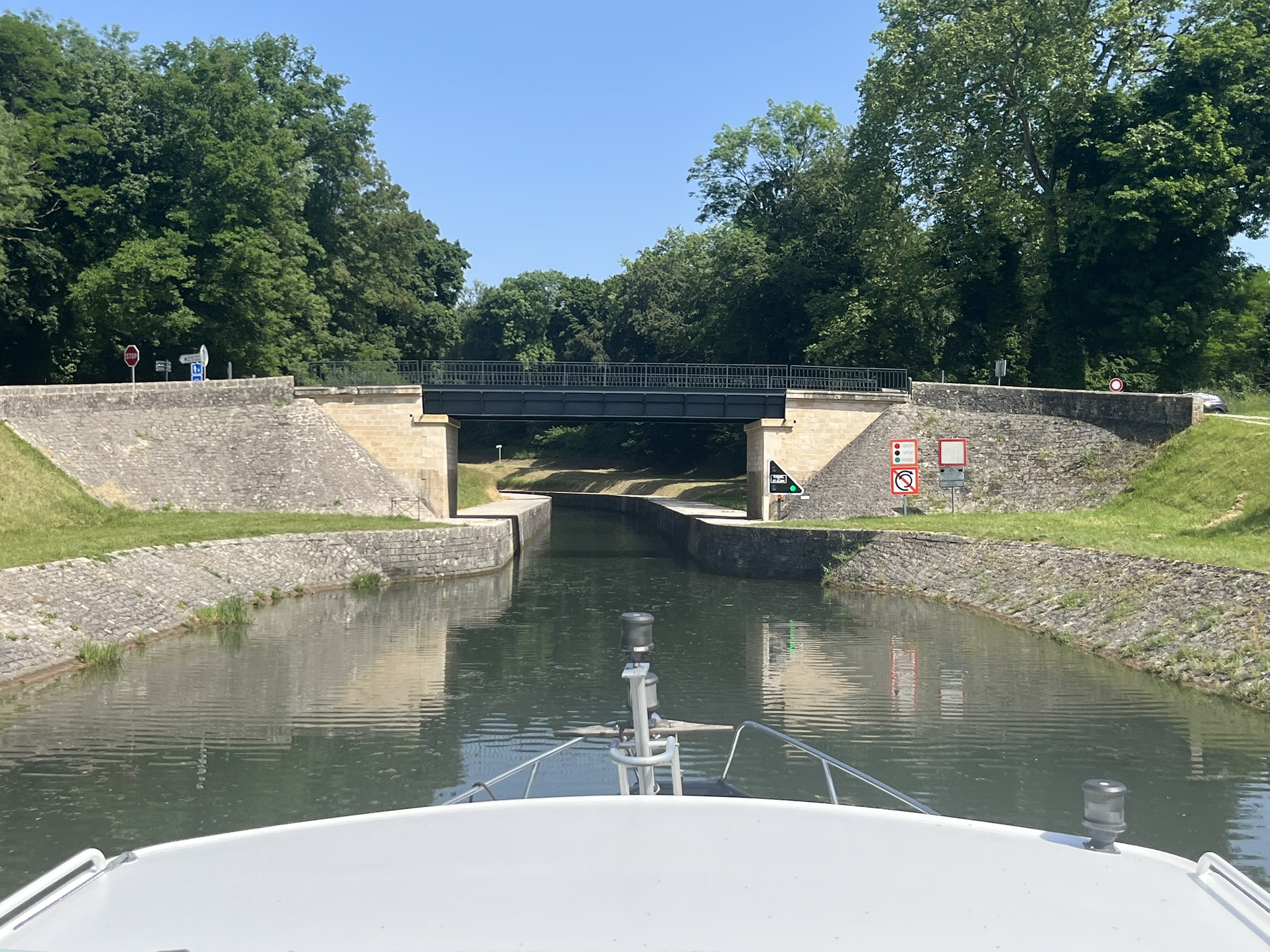
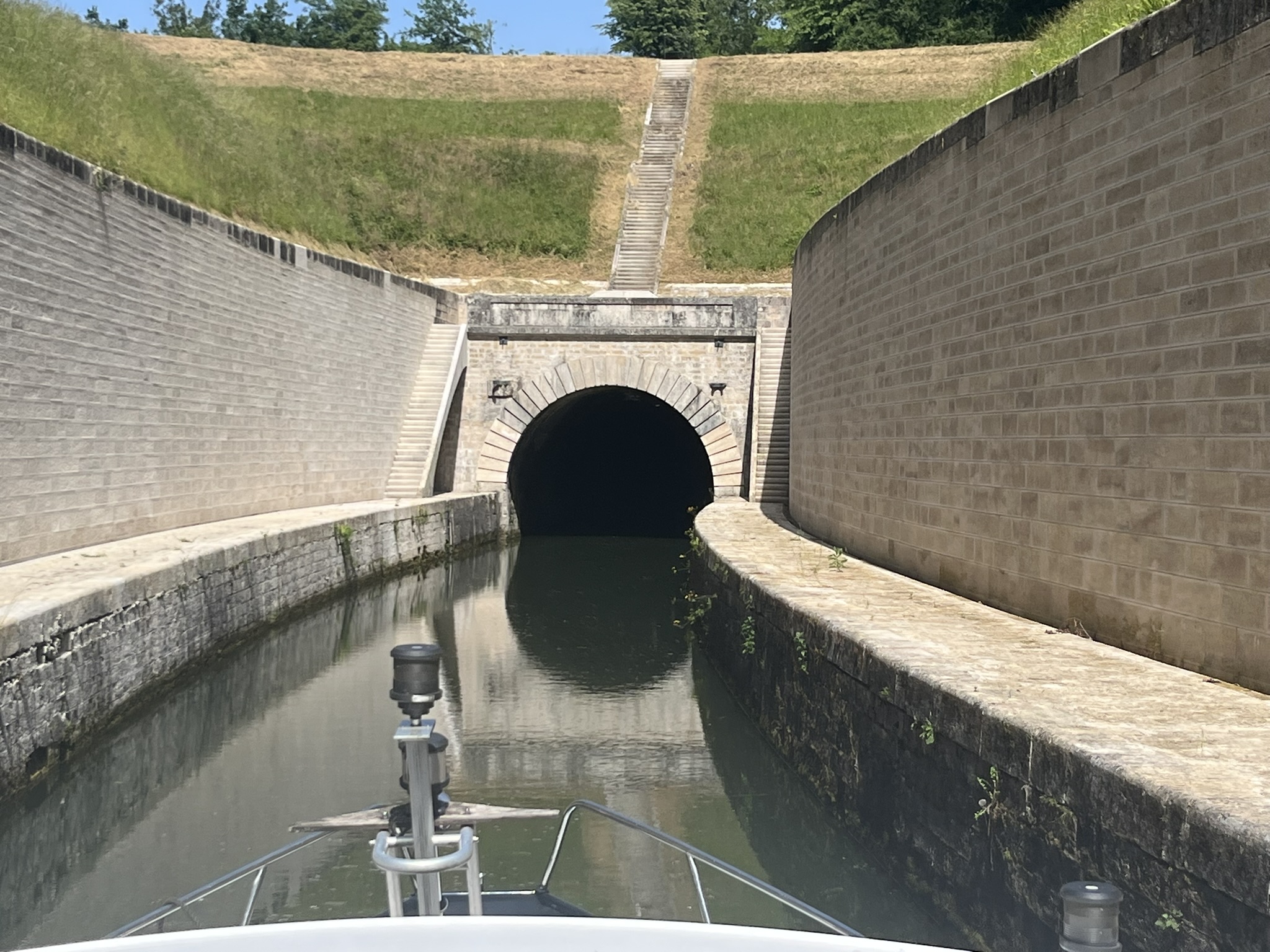
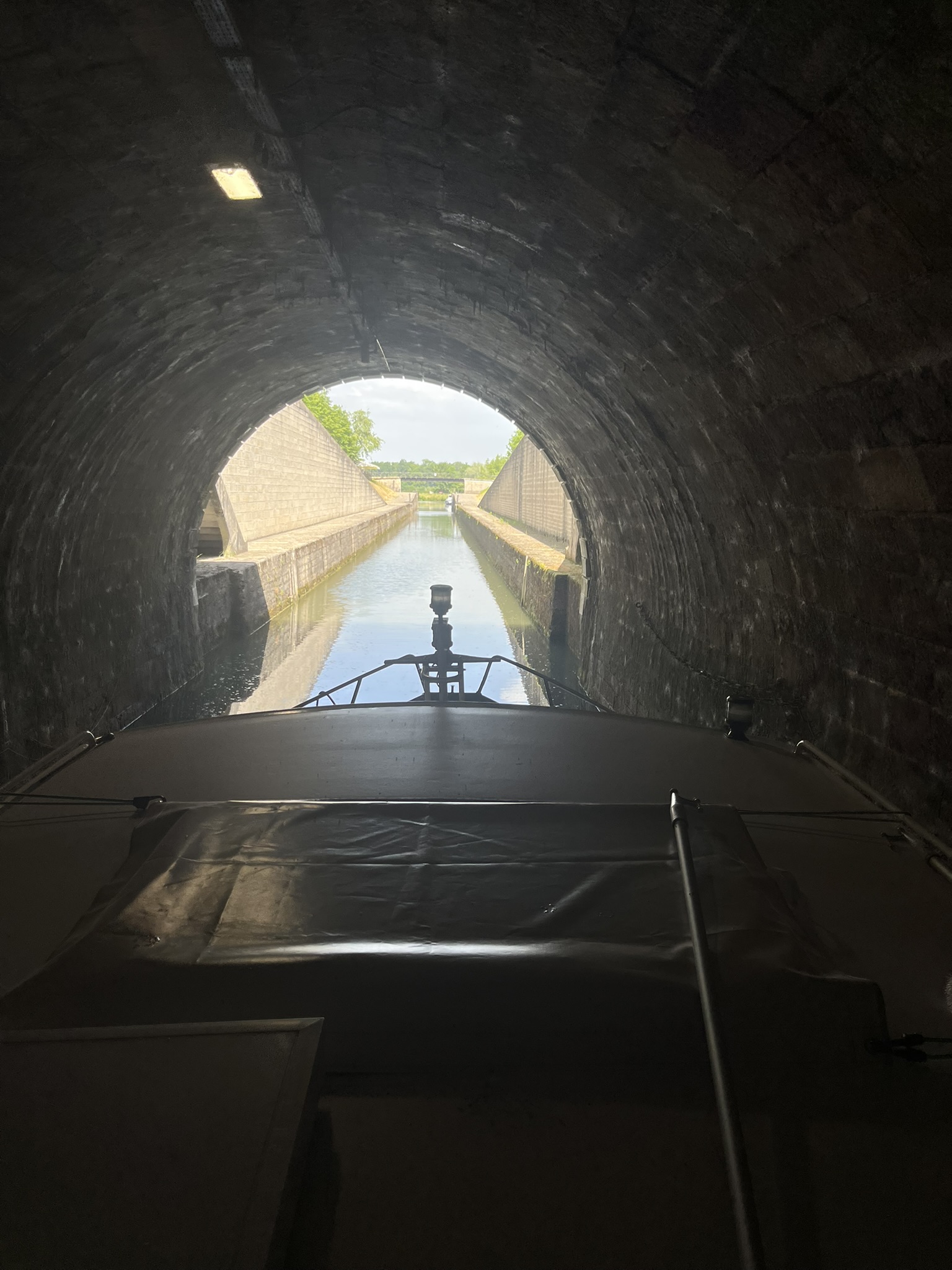
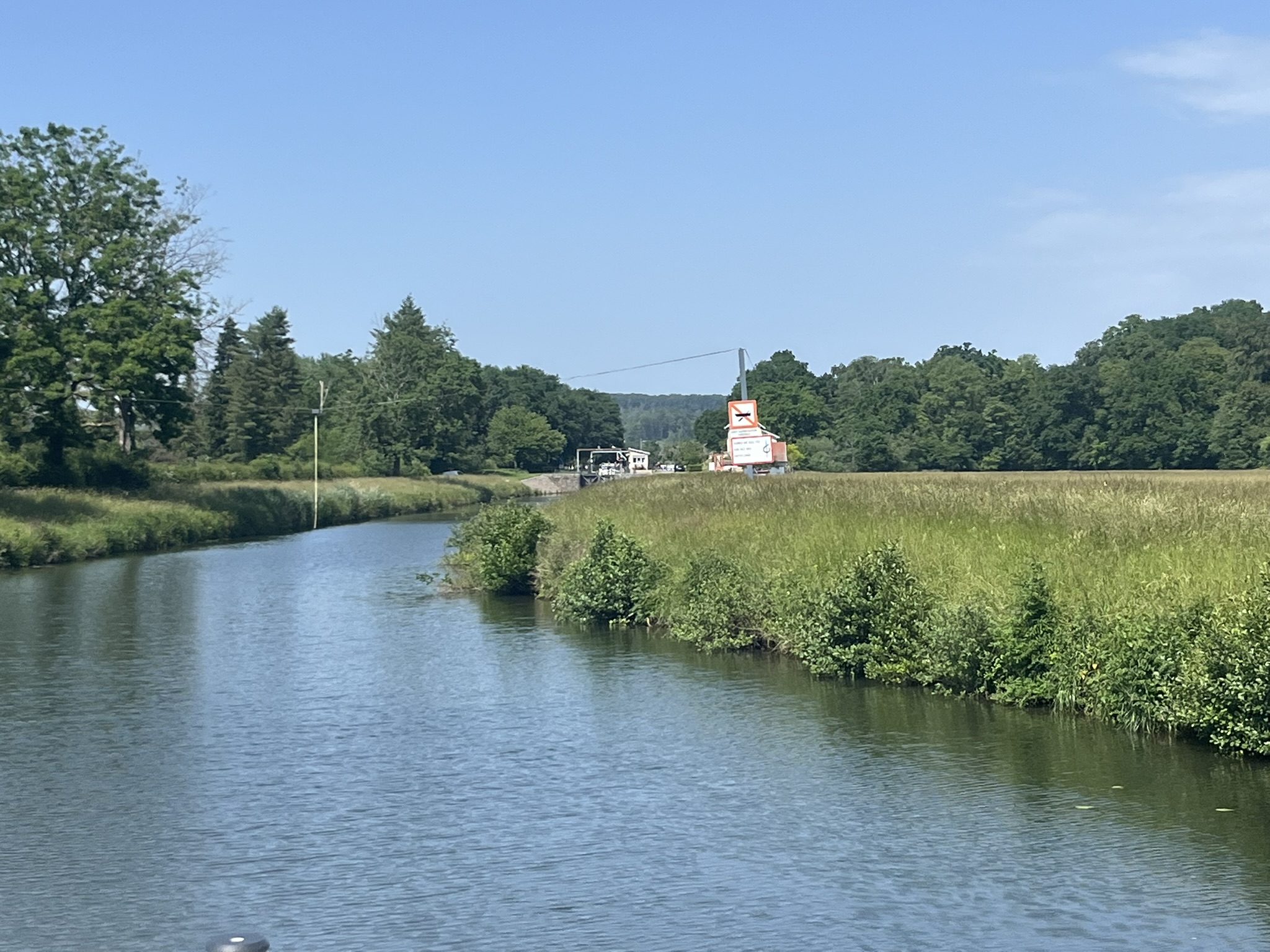
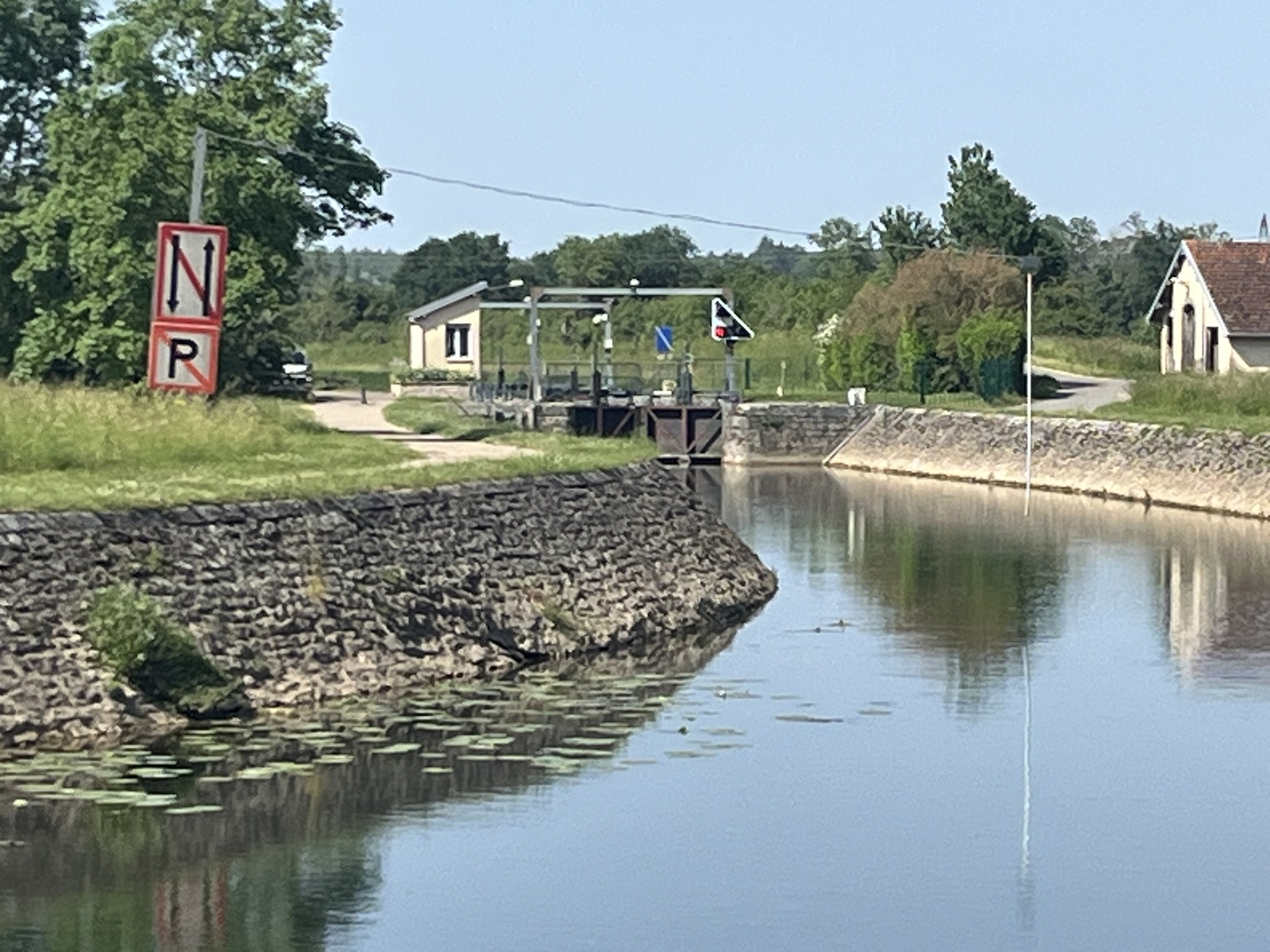
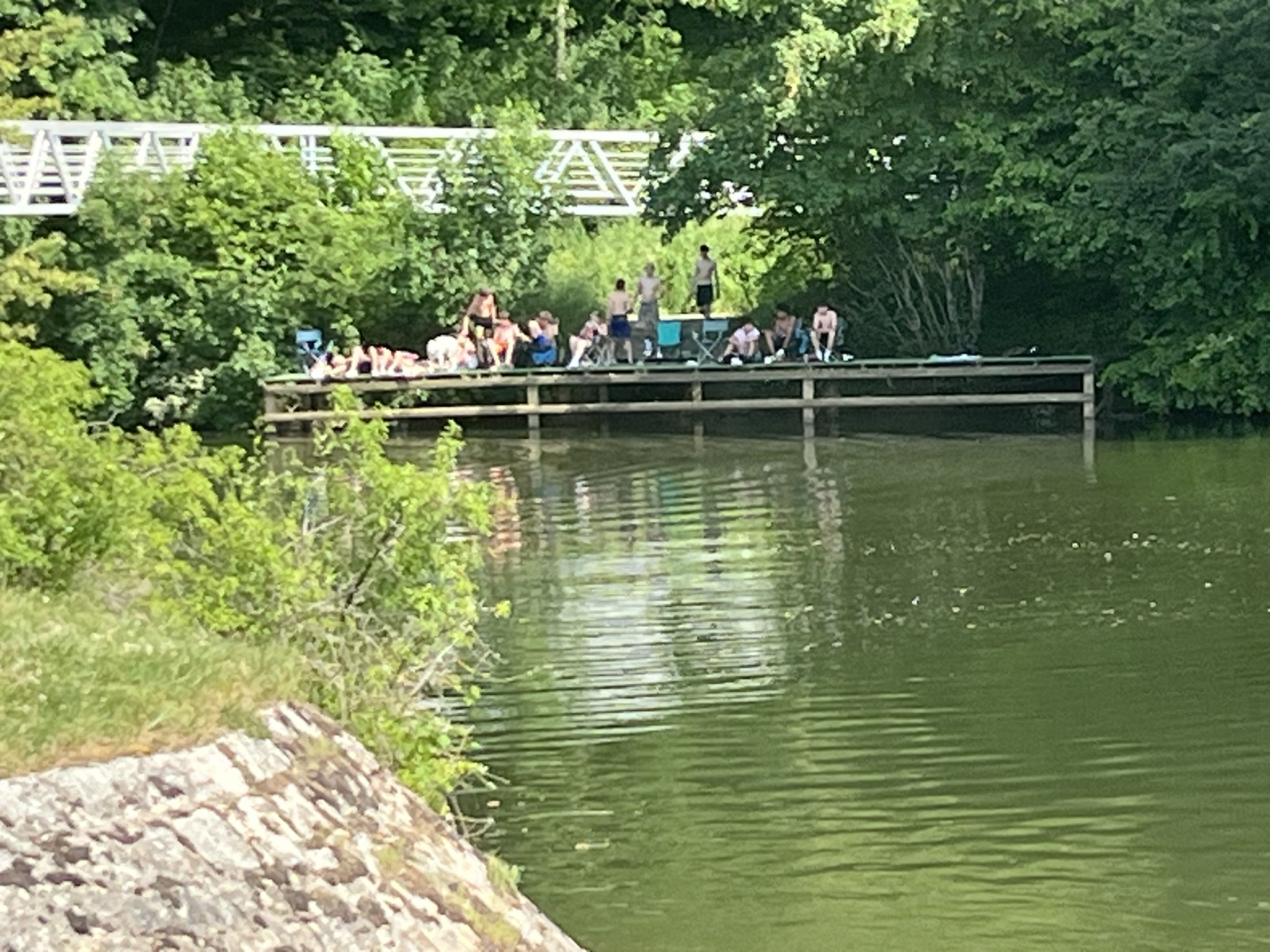
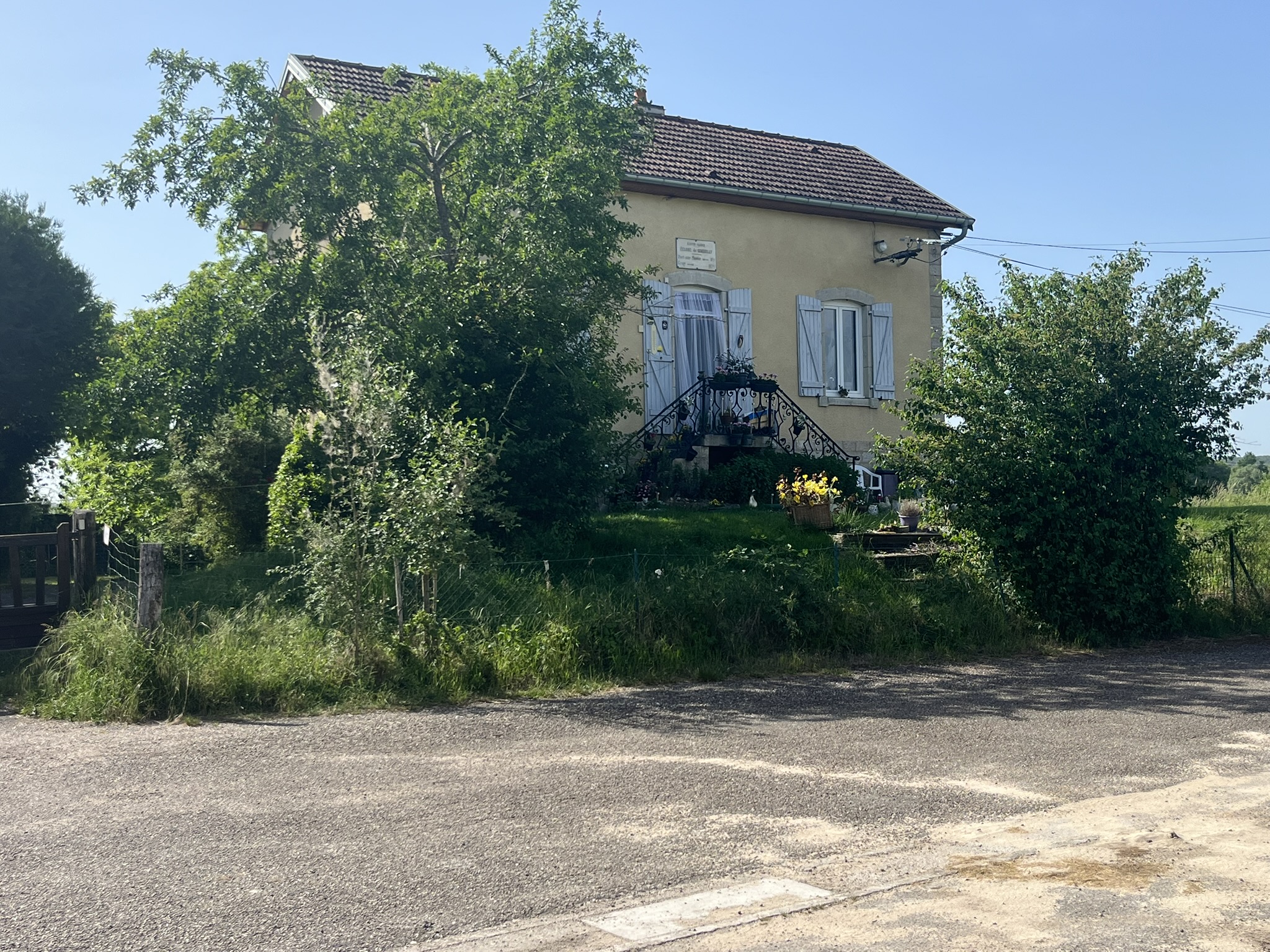
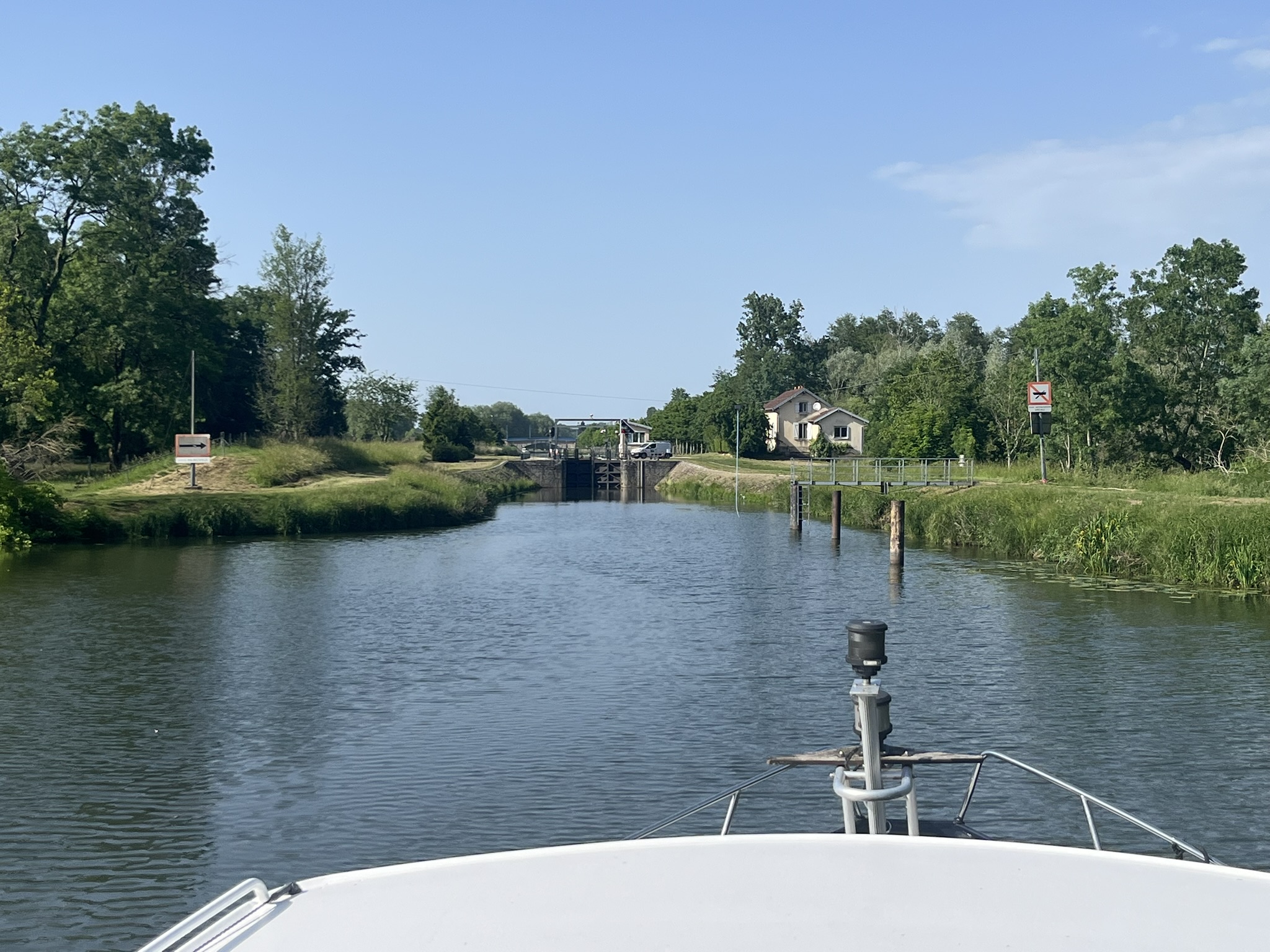
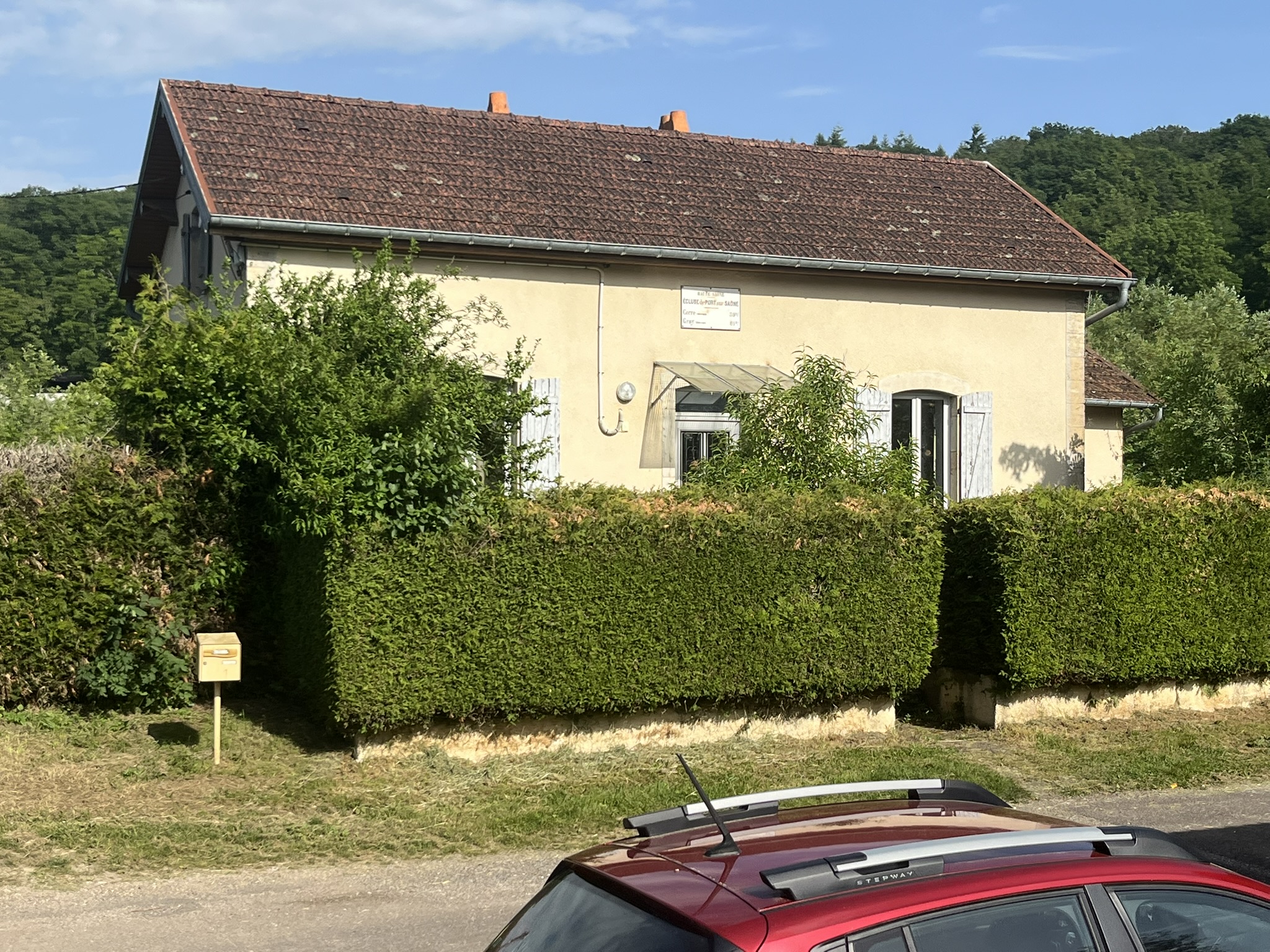
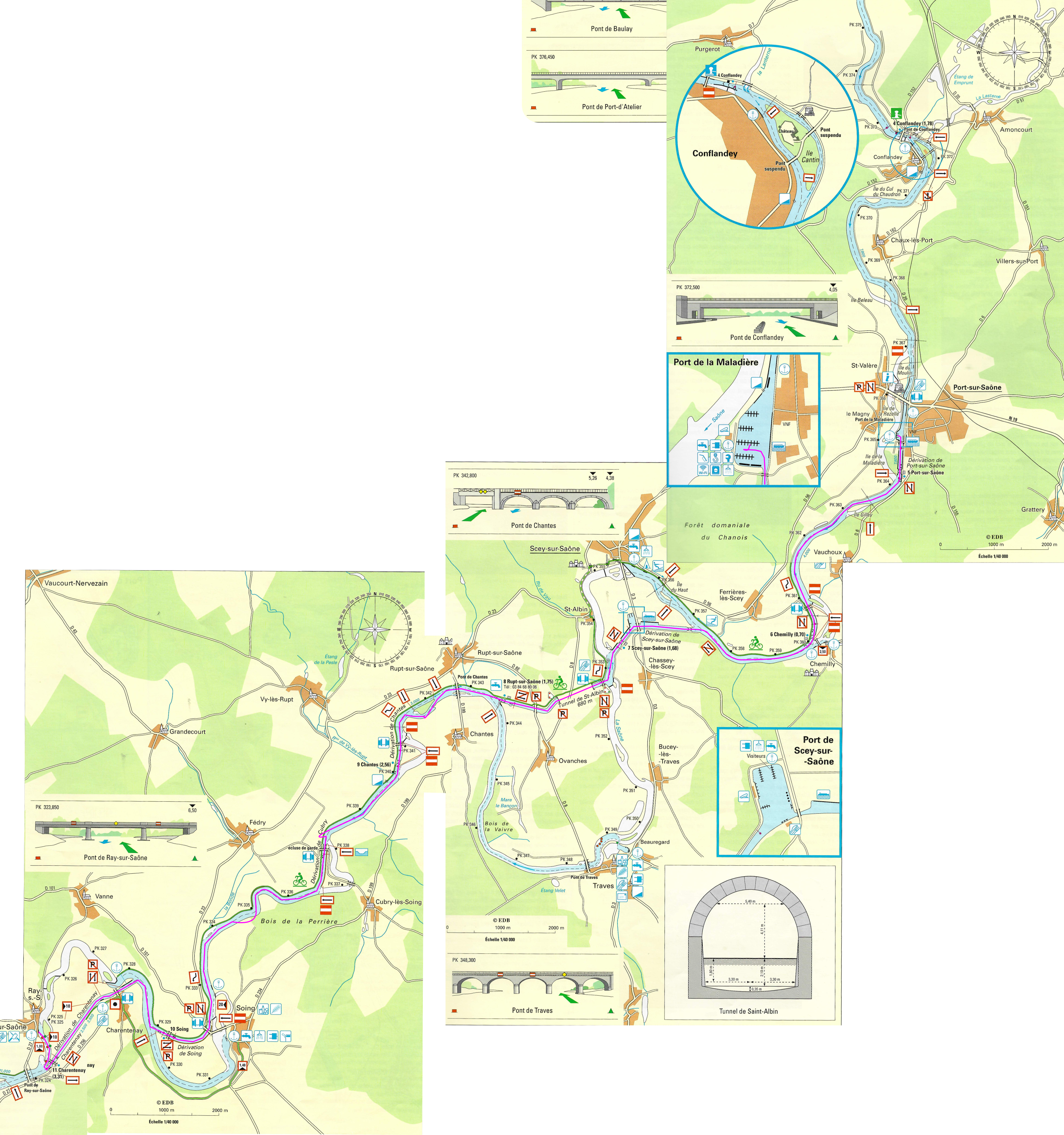
The next day, I dragged Felix up the hill to visit the church once more. This time, it was open and we could enter. We looked a little bit around, wondered about what we saw, enjoyed the good weather before going back to the boat. We then set sail and continued to steam up the river. Near Soing, we saw the Mascot, the nicer and newer sister ship of the Maeva, moored to the river bank. Écluse n°8 de Rupt-sur-Saône was a little bit tricky, as the lever to initiate the locking process was bent and hard to move. I succeeded anyways. The night we would spend in Port-sur-Saône (the town with the fantastic bakeries as we found out a couple of years ago). Arriving there, we executed a perfect docking maneuver. We then met 4 guys from Hessen, we would met a couple of times again later on. They were doing the first mooring maneuver which was a bit chaotic. We tried to help as best as we could and eventually, the boat was parked and the engine ceased.
The Church of Saint Pancrase
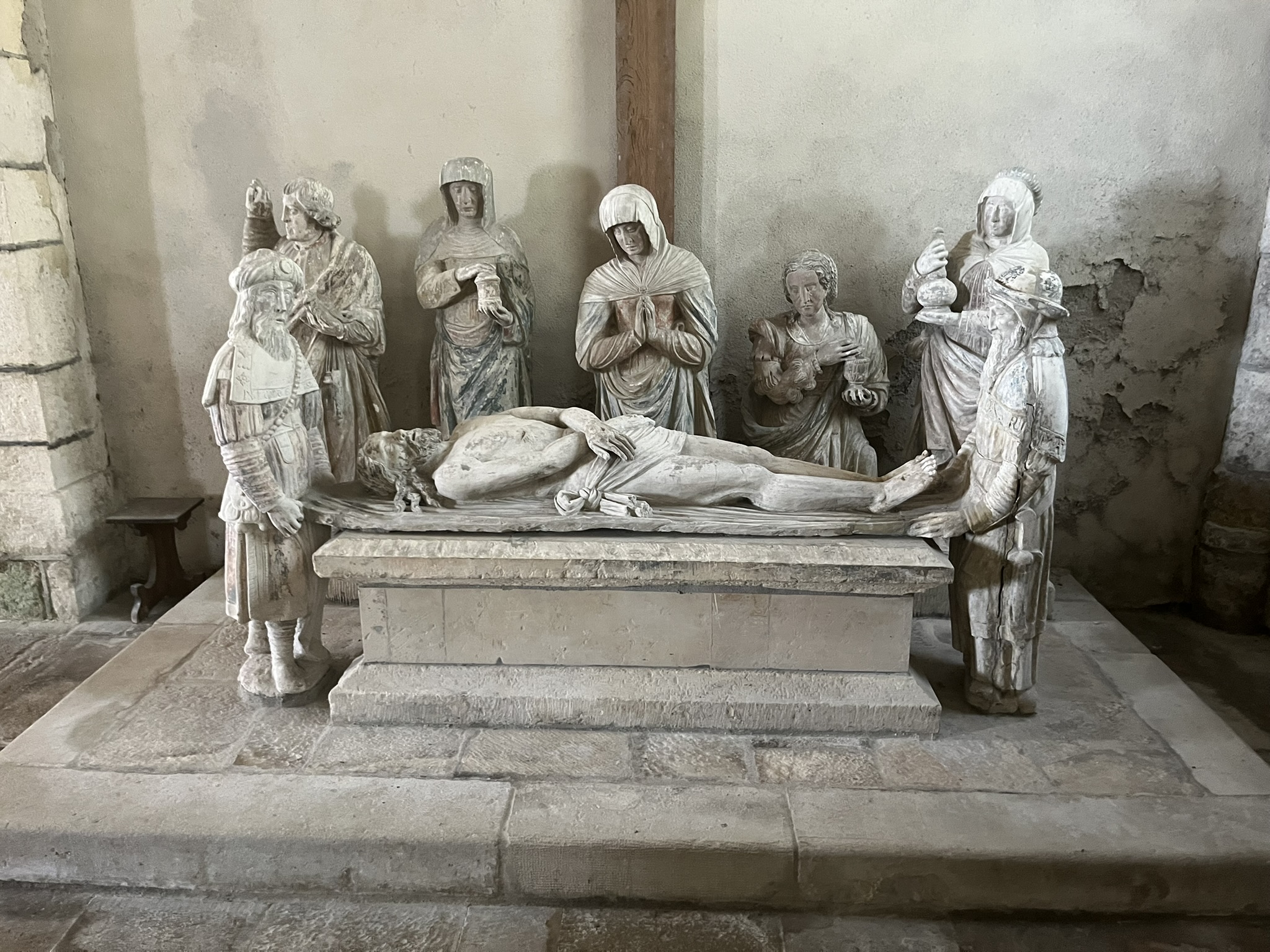
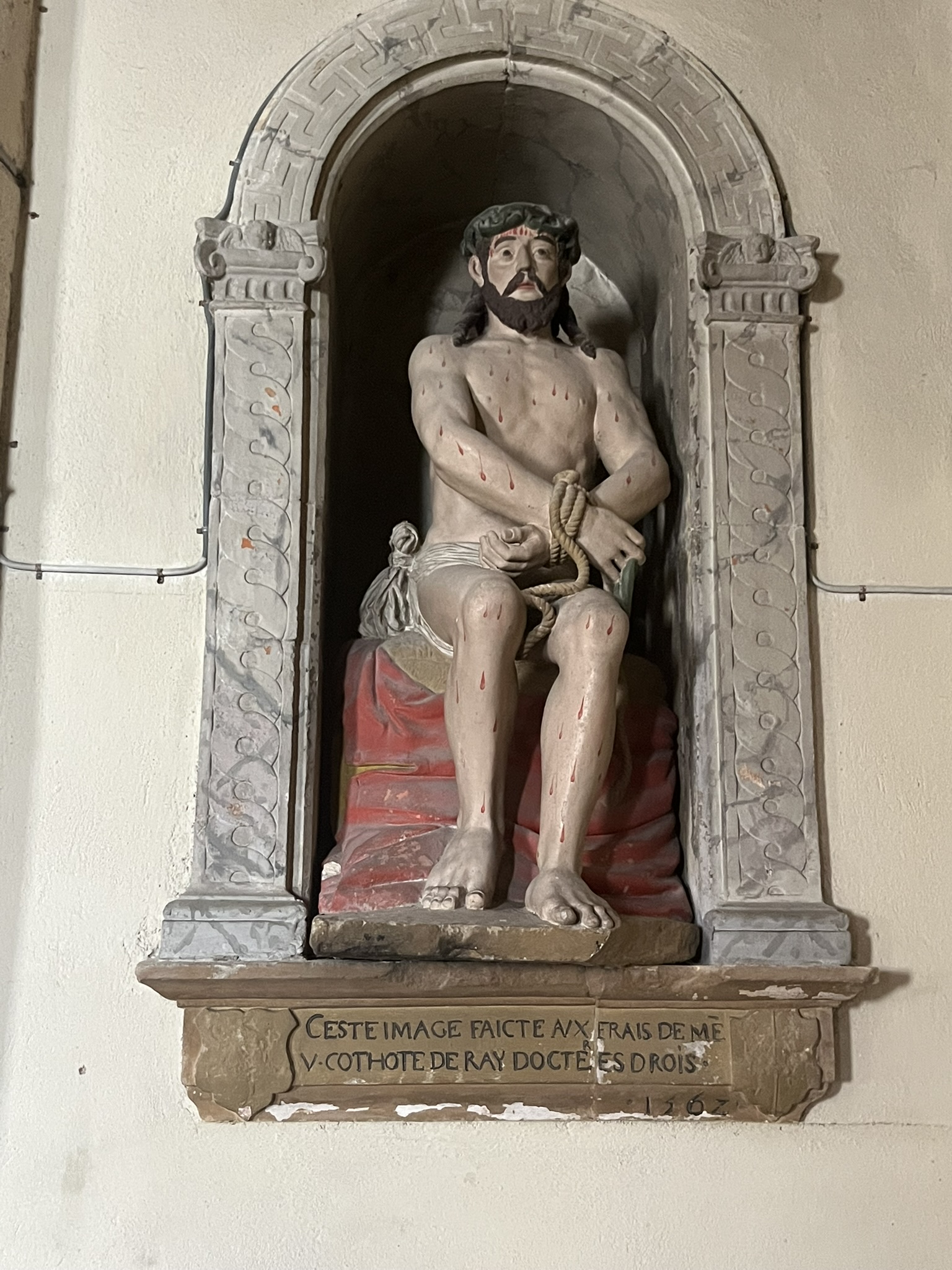
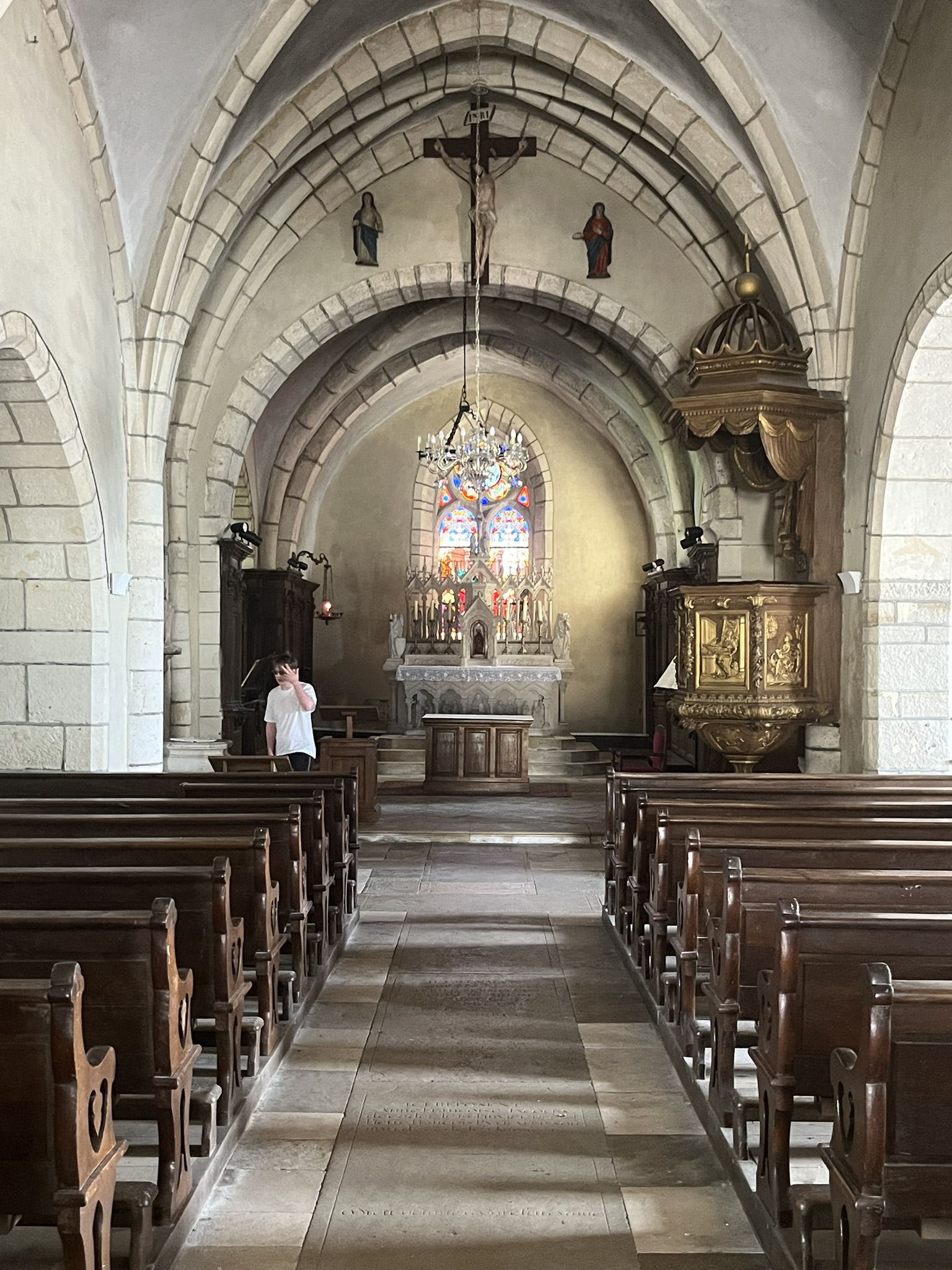
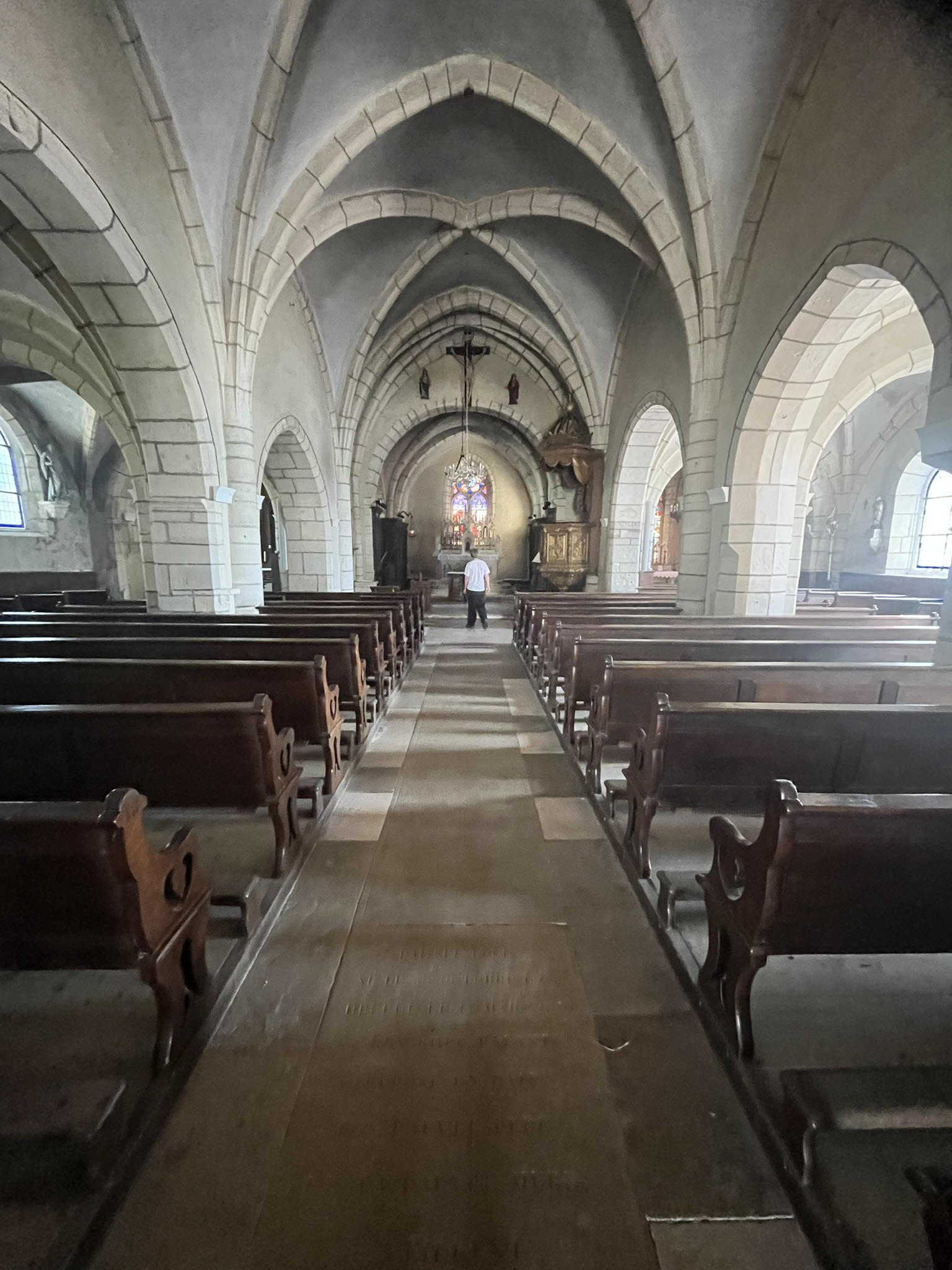
Saint-Pancrace was built in the 13th century. Originally, its floor plan was cruciform. In 1341 Guy de Ray founded the chapter of six canons and thereby transformed Saint-Pancrace into a collegiate church. The lateral chapels were added around this time.
A collegiate church was often founded and endowed by a secular patron, such as a local lord, duke, or king, while remaining under the authority of the Catholic Church. The six canons were highly educated priests who devoted much of their time to the celebration of the liturgy and prayer, but they also took care of the administration of the church and the lands that Guy de Ray had placed at their disposal. Establishing a chapter enhanced the prestige and social standing of the founding family.
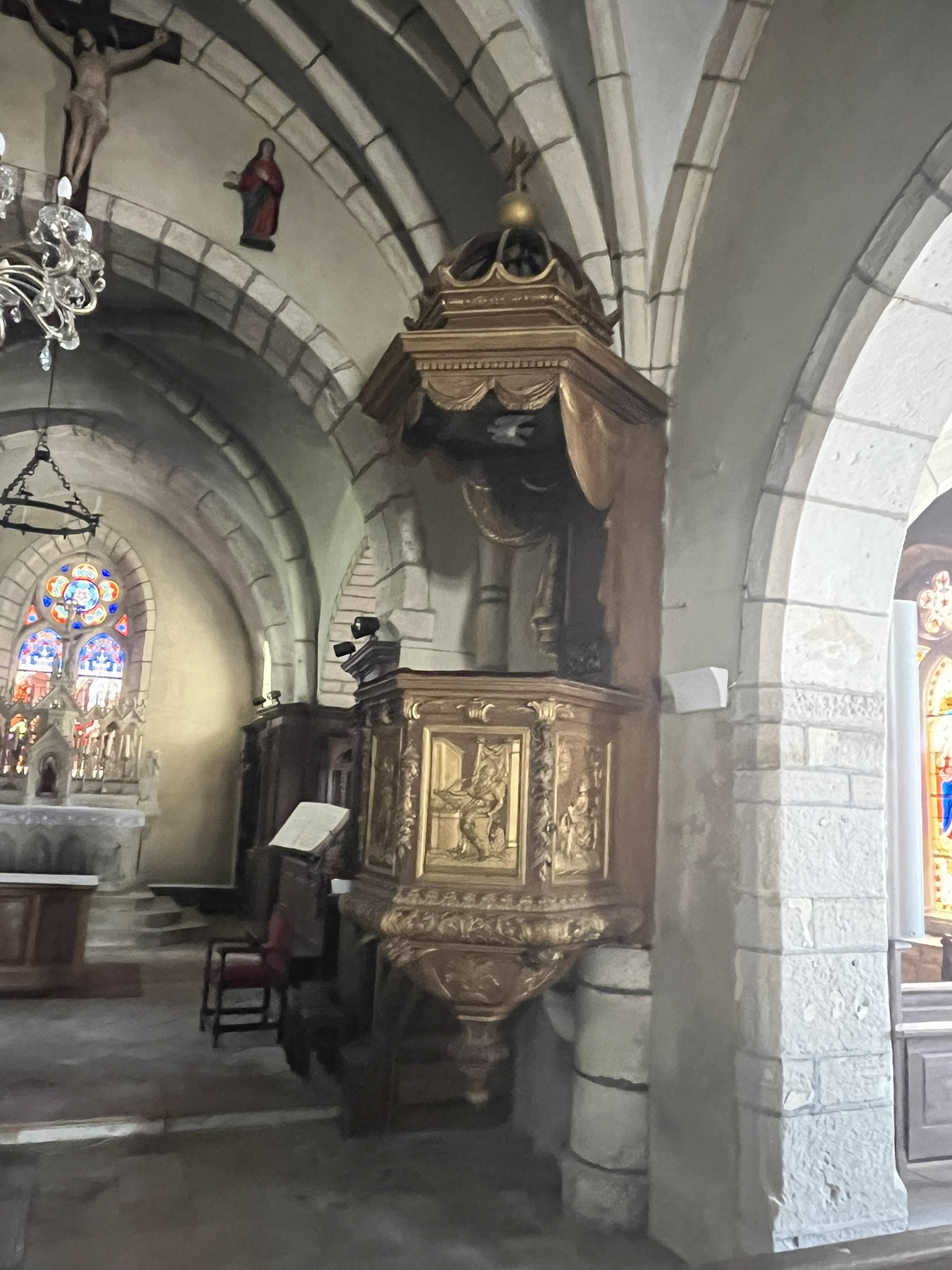
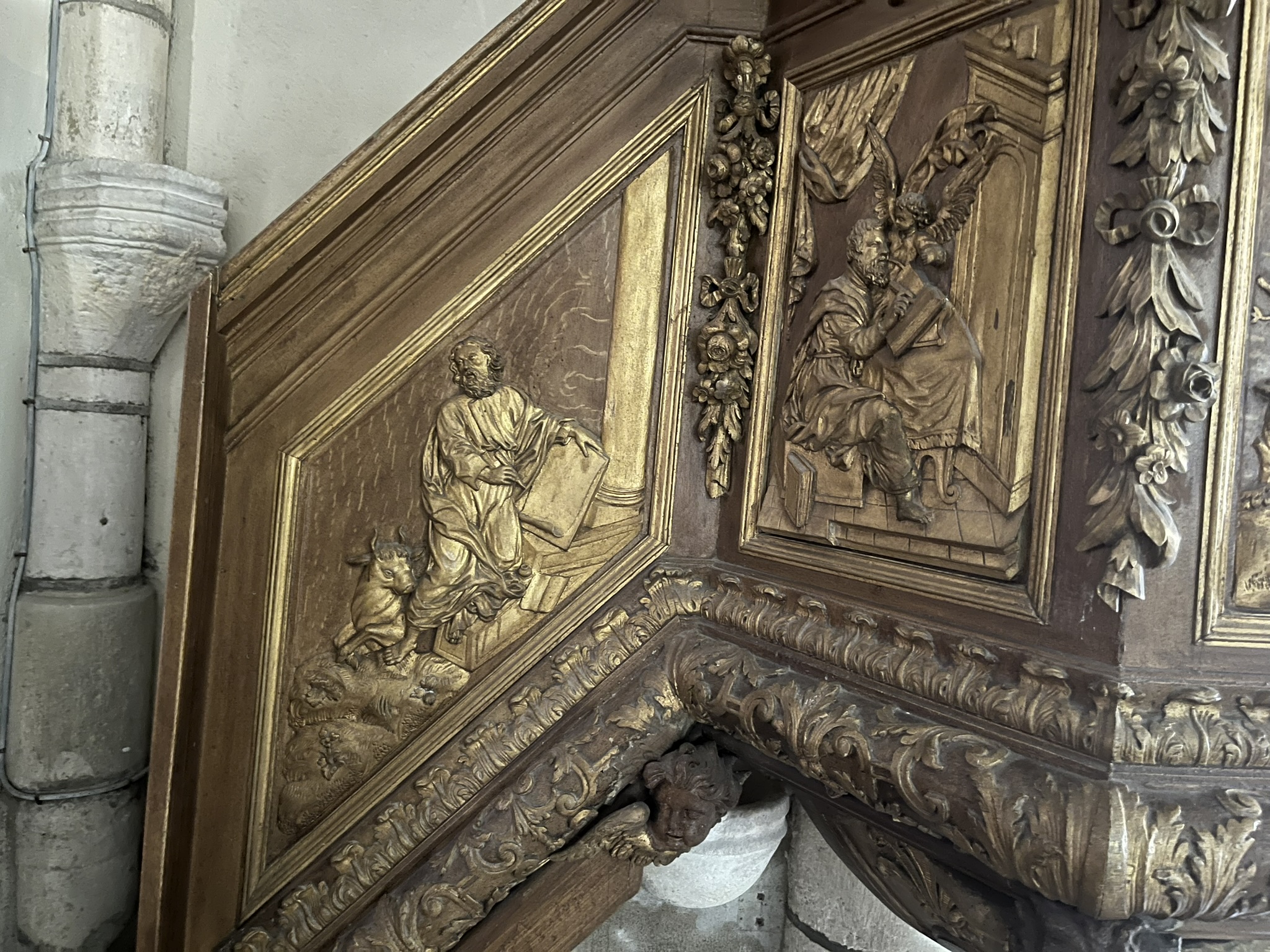
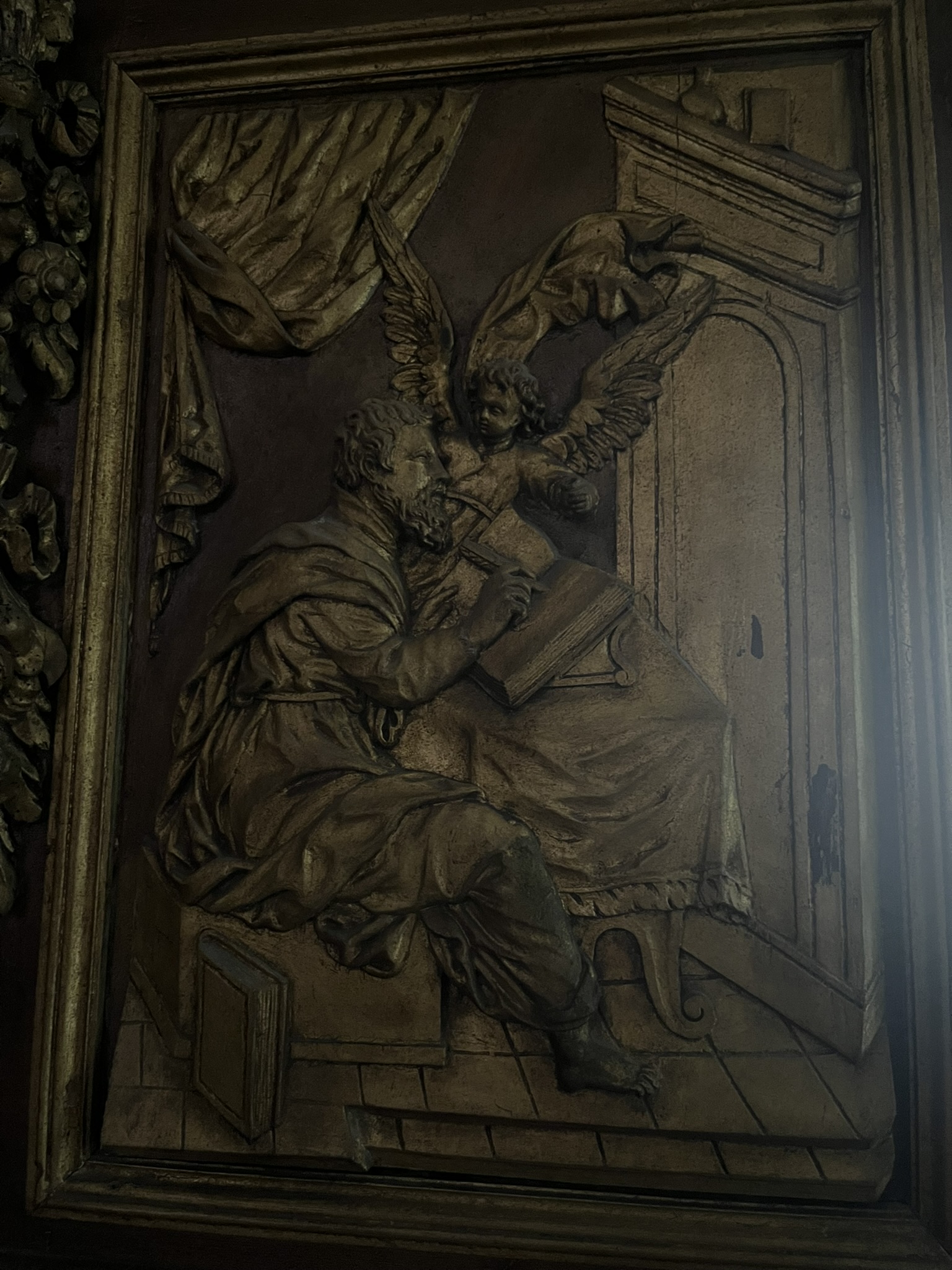
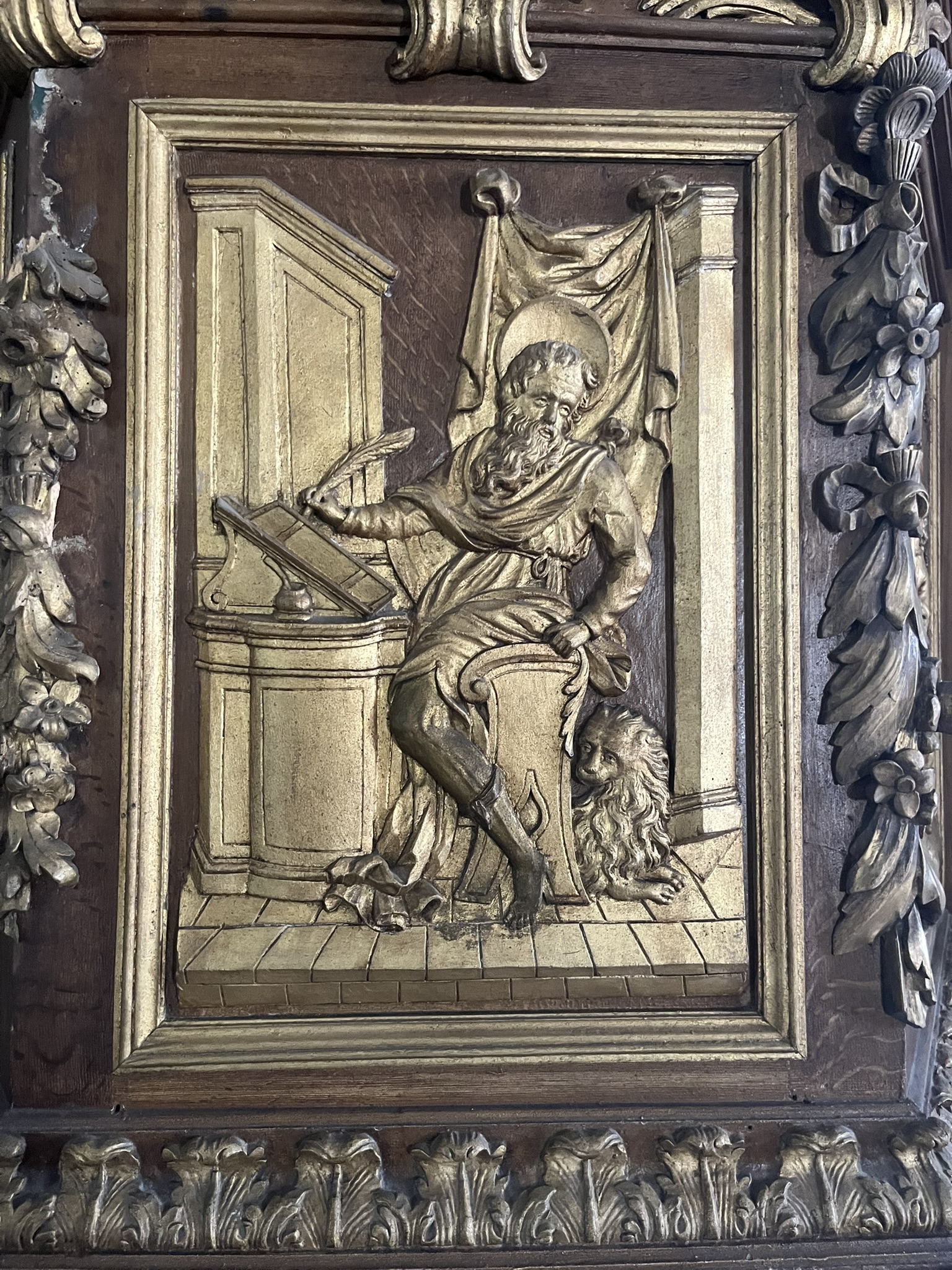
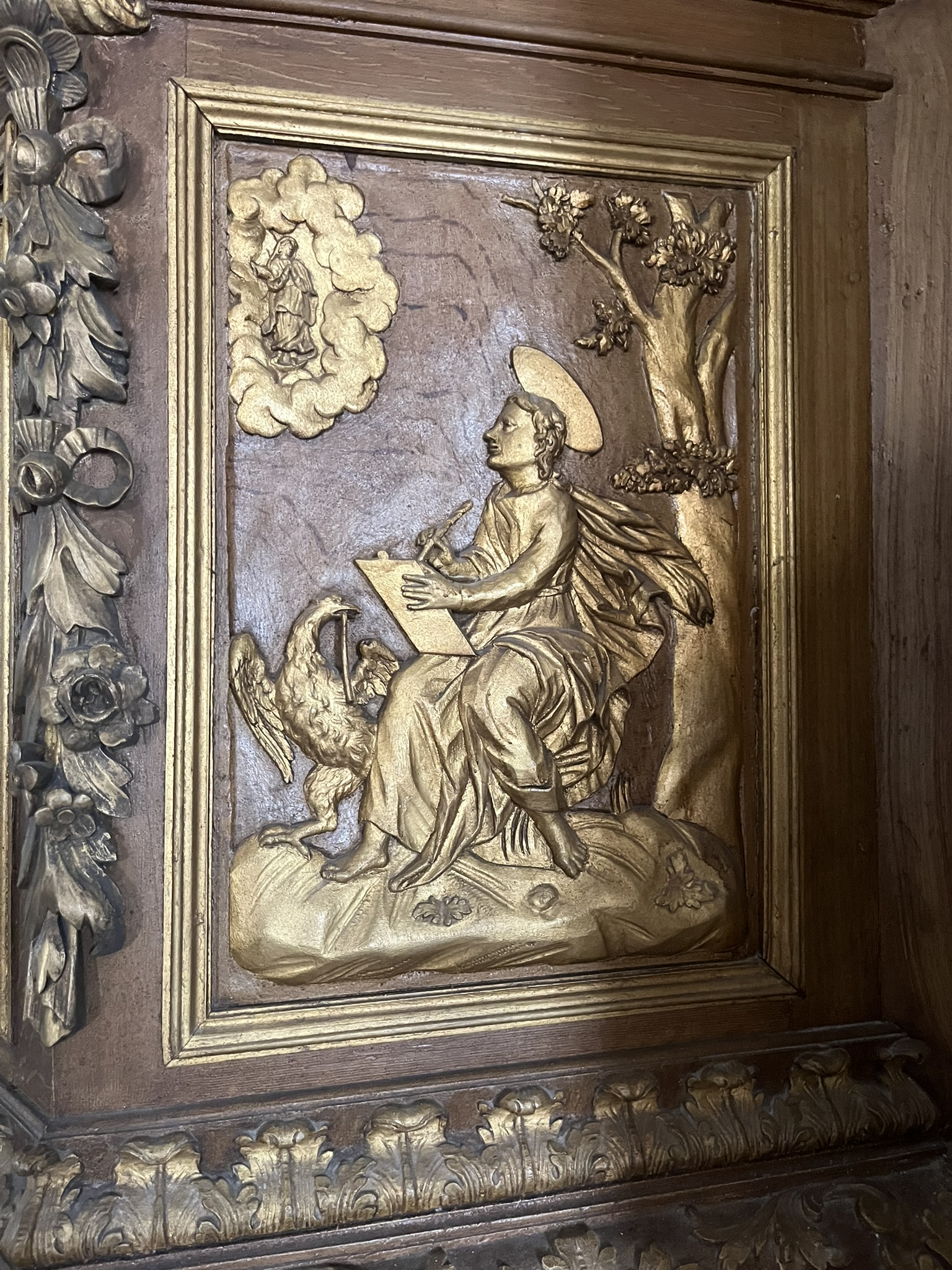
The church contains many depictions of clergy engaged in writing. I initially thought that these represent the copying and transmission of religious texts to spread the word of God thereby underlying the importance of this church. Researching, I found out that it is a reoccuring motive showing the evangelists Matthew, Mark, Luke and John. In is no coincidence that they are shown on the pulpit as it symbolizes the place where the written word is spoken. It underlines that the speaker on the pulpit is not making something up but directly delivering in speech what these evangelists wrote down. And the evangelists represent the fundation for the church and symbolically carry the priest on the pulpit.
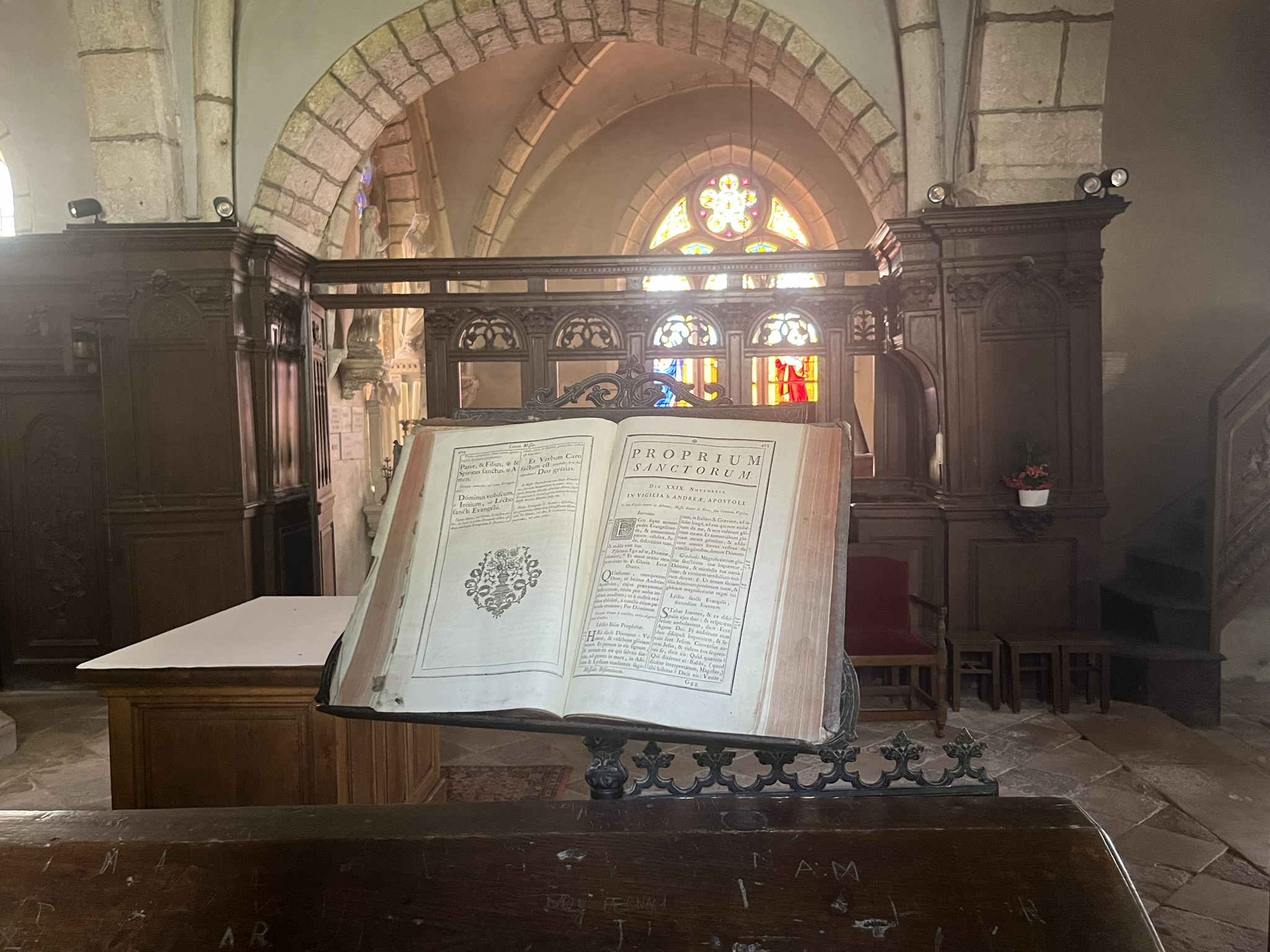
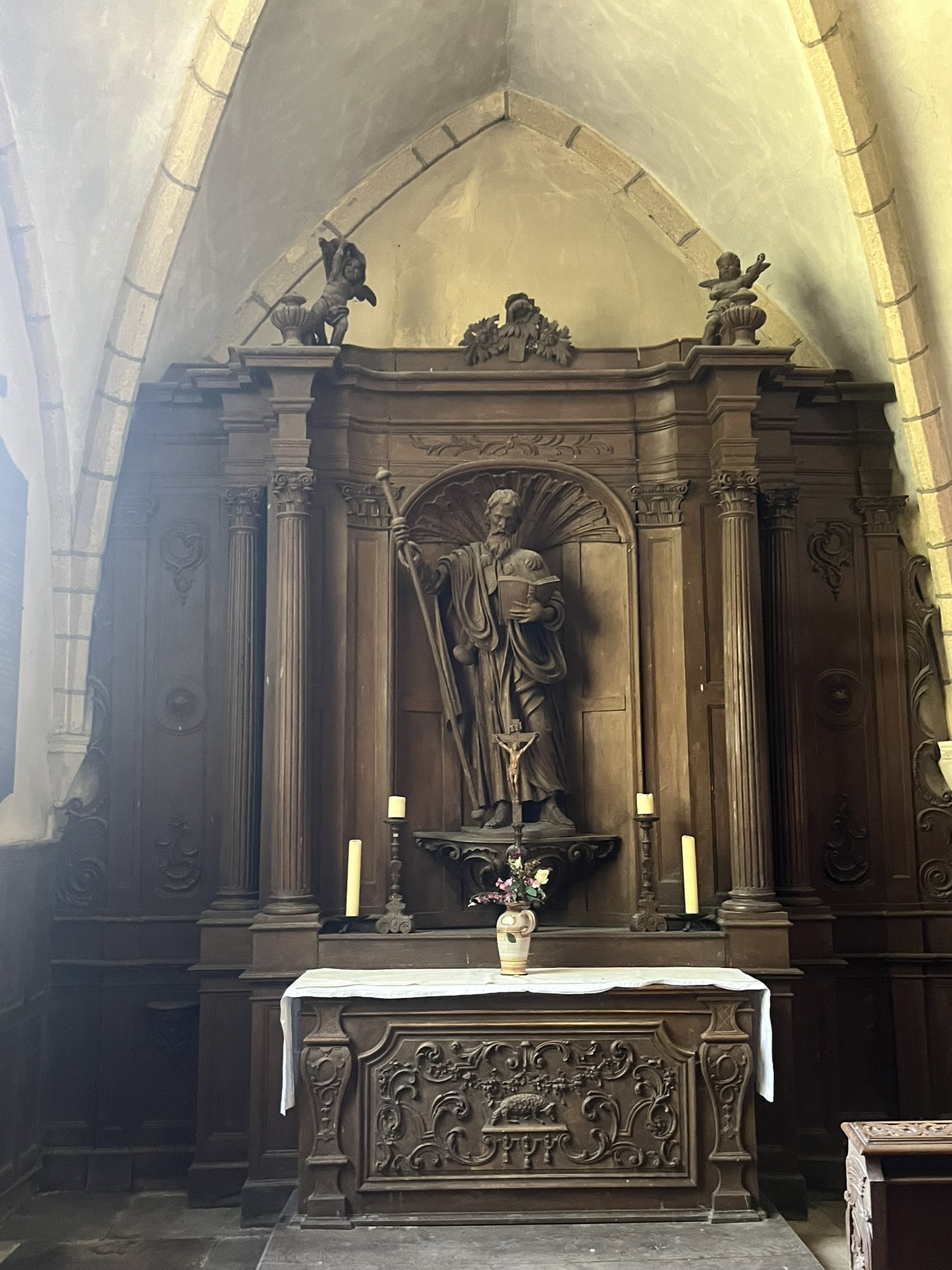
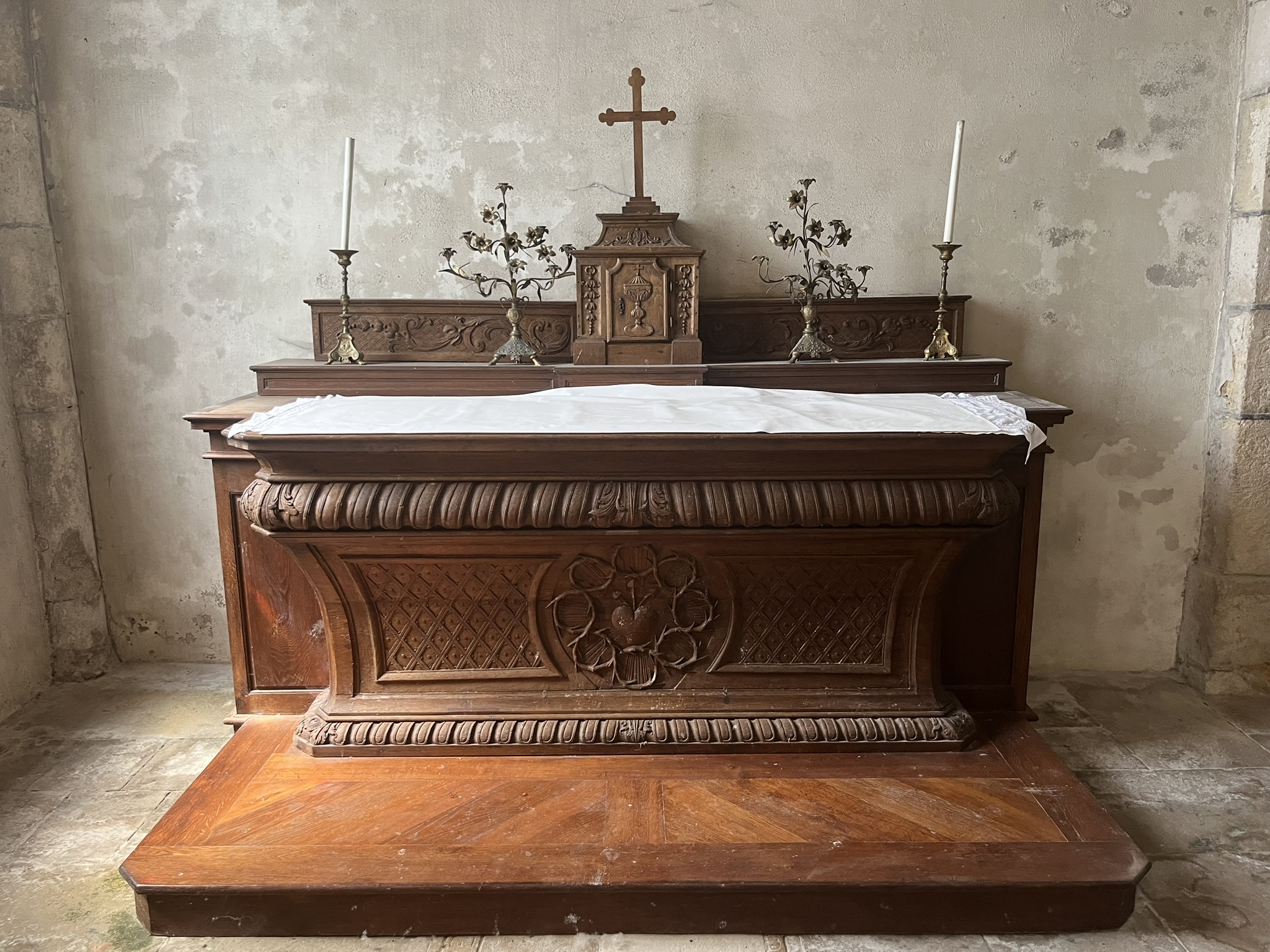
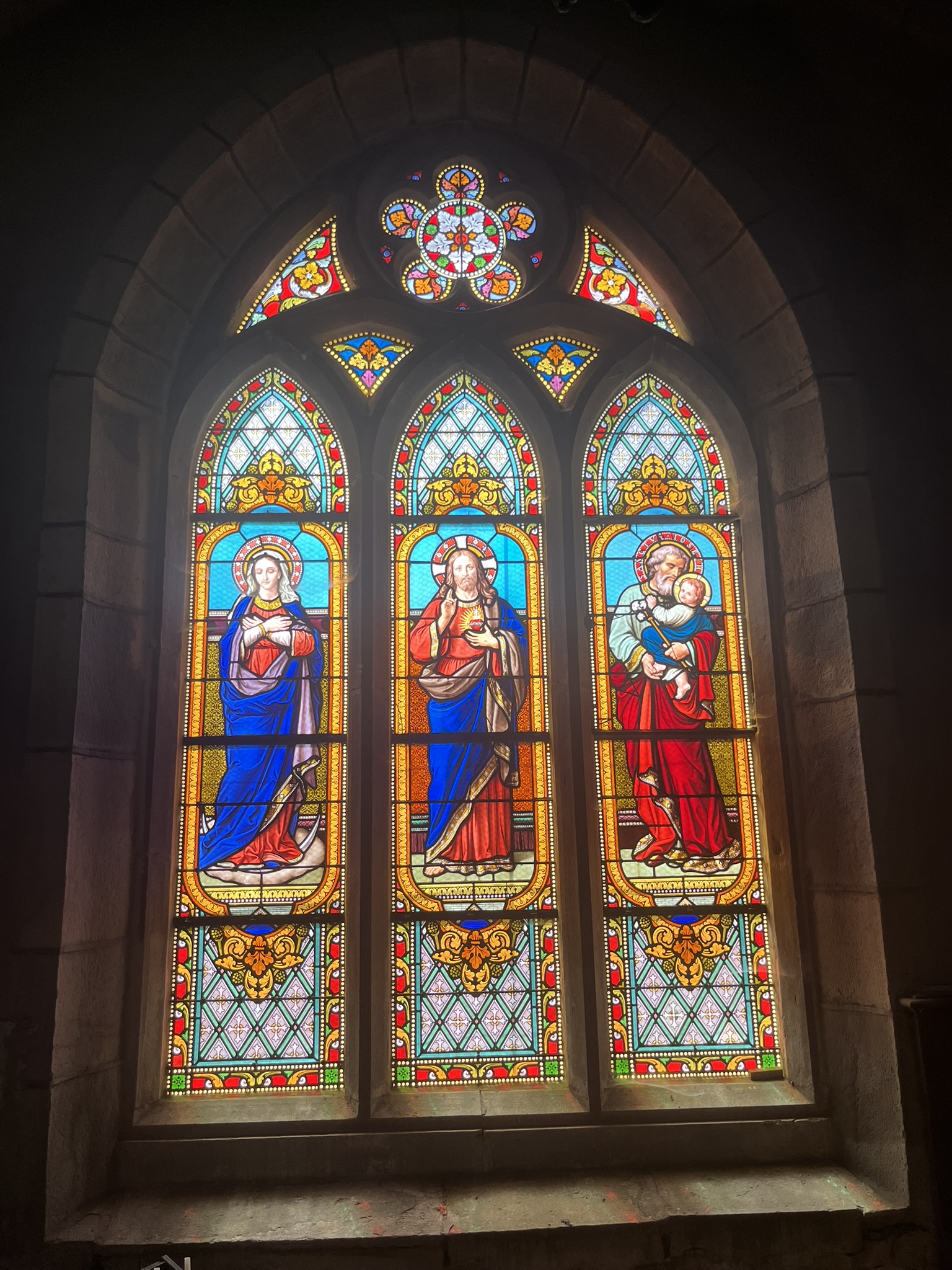
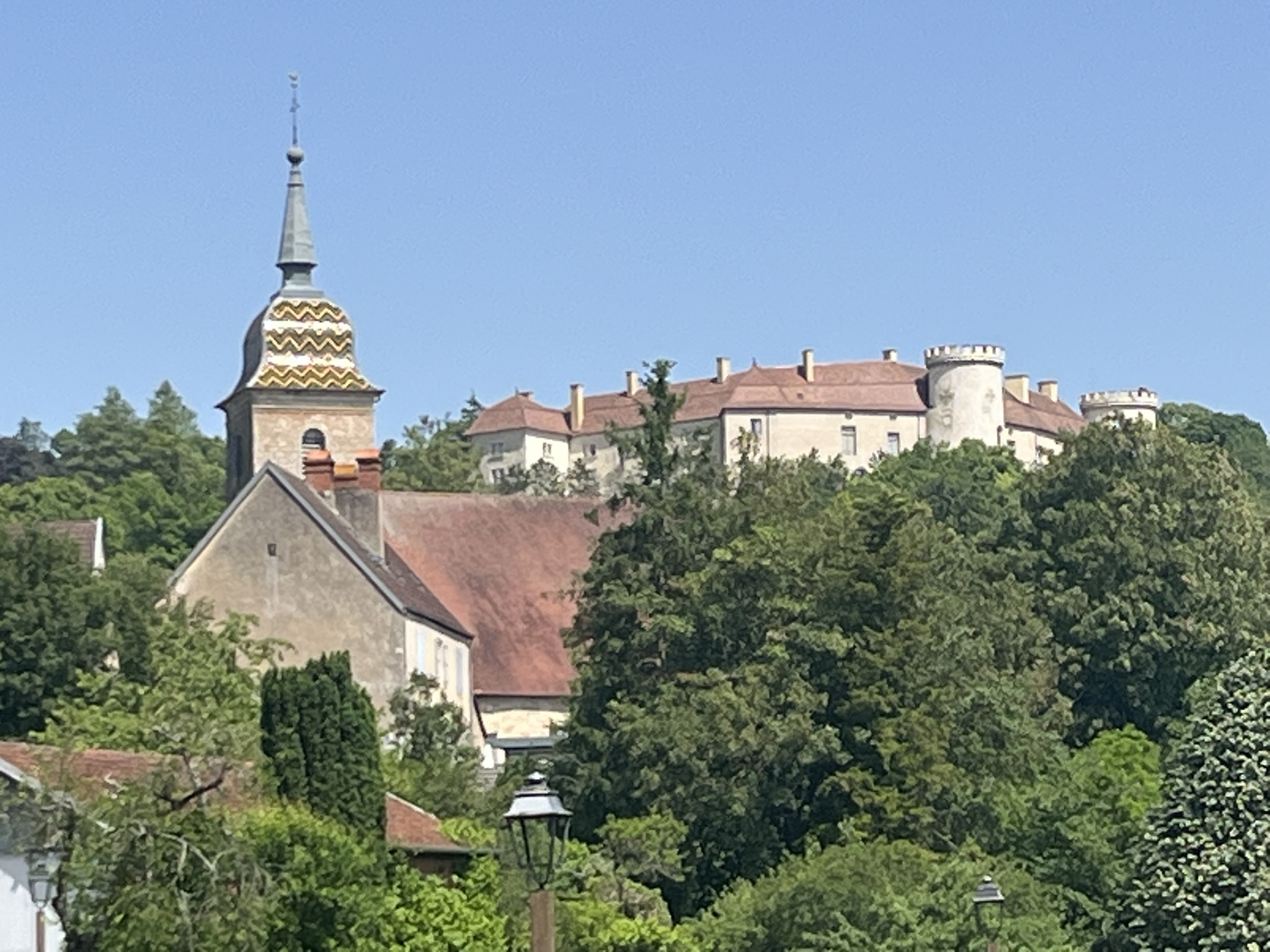
The bell tower was rebuilt in its present form in 1768. The stained-glass windows followed in 1868, and much of the church furniture dates from the 18th century.
Notable Inscriptions
Pierre Vernot
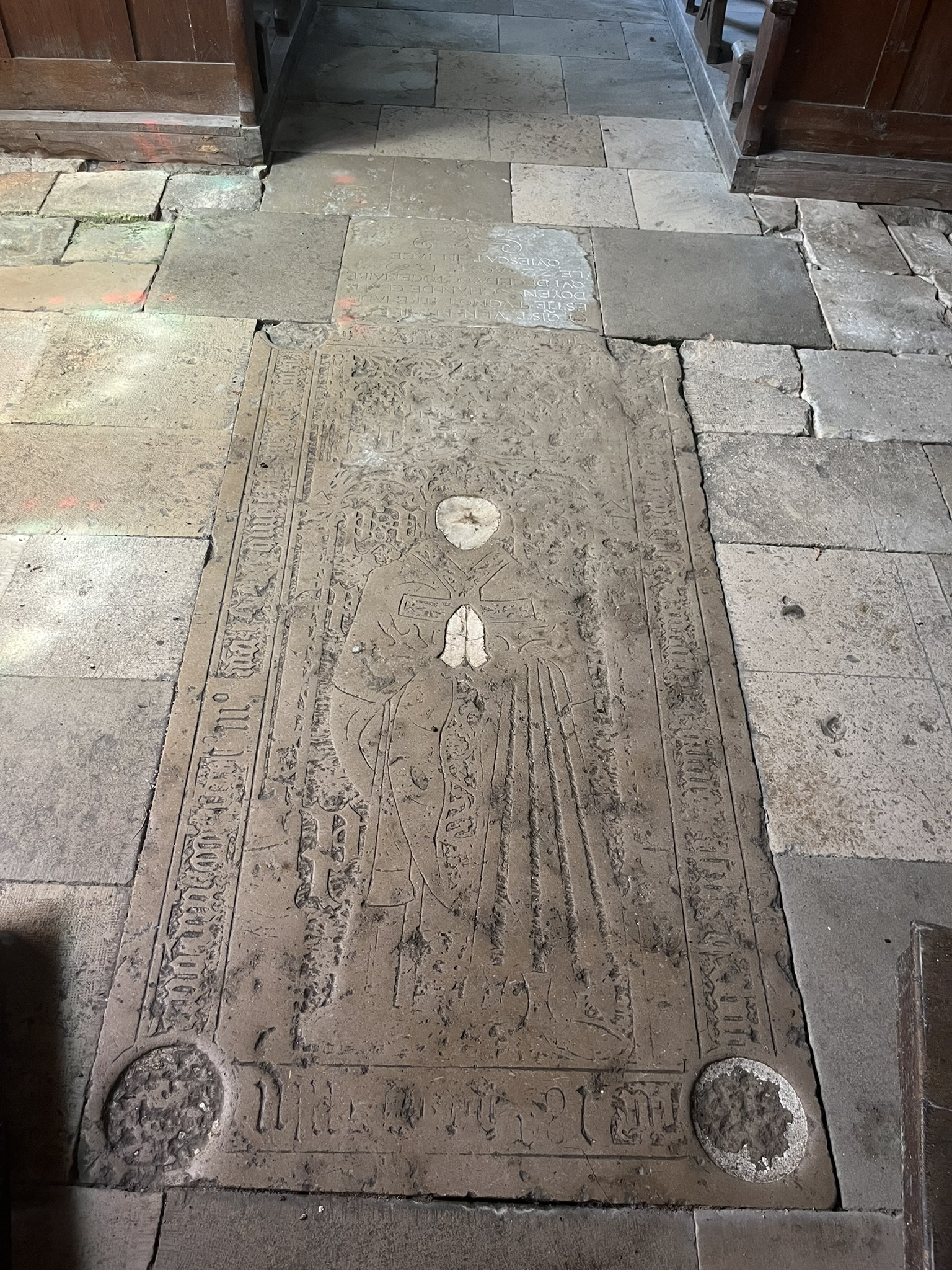
In the southern aisle, the tombstone of Pierre Vernot, one of the canons of the chapter, can be seen. He died in 1543. Little is known about his life beyond that he served as a priest of the chapter. The fact that he was buried inside the church reflects his elevated status within the religious community of Ray-sur-Saône.
The inscription of the tombstone is in middle French spoken from about 1340 to 1600. I can’t really read it but google LLM claims, it can ( from a picture I uploaded): „Cy gist honnorable homme messire Pierre Vernot…“ ..en son vivant chanoine de Ray.. „…qui trespassa l’an MCCCCLIII. Priez Dieu pour son ame.“.
This would translate to “Here lies the honorable Sire Pierre Vernot, who in his lifetime was a canon of Ray, and who passed away in the year 1453. Pray to God for his soul.”.
Phillippe-Gabriel de Marmier
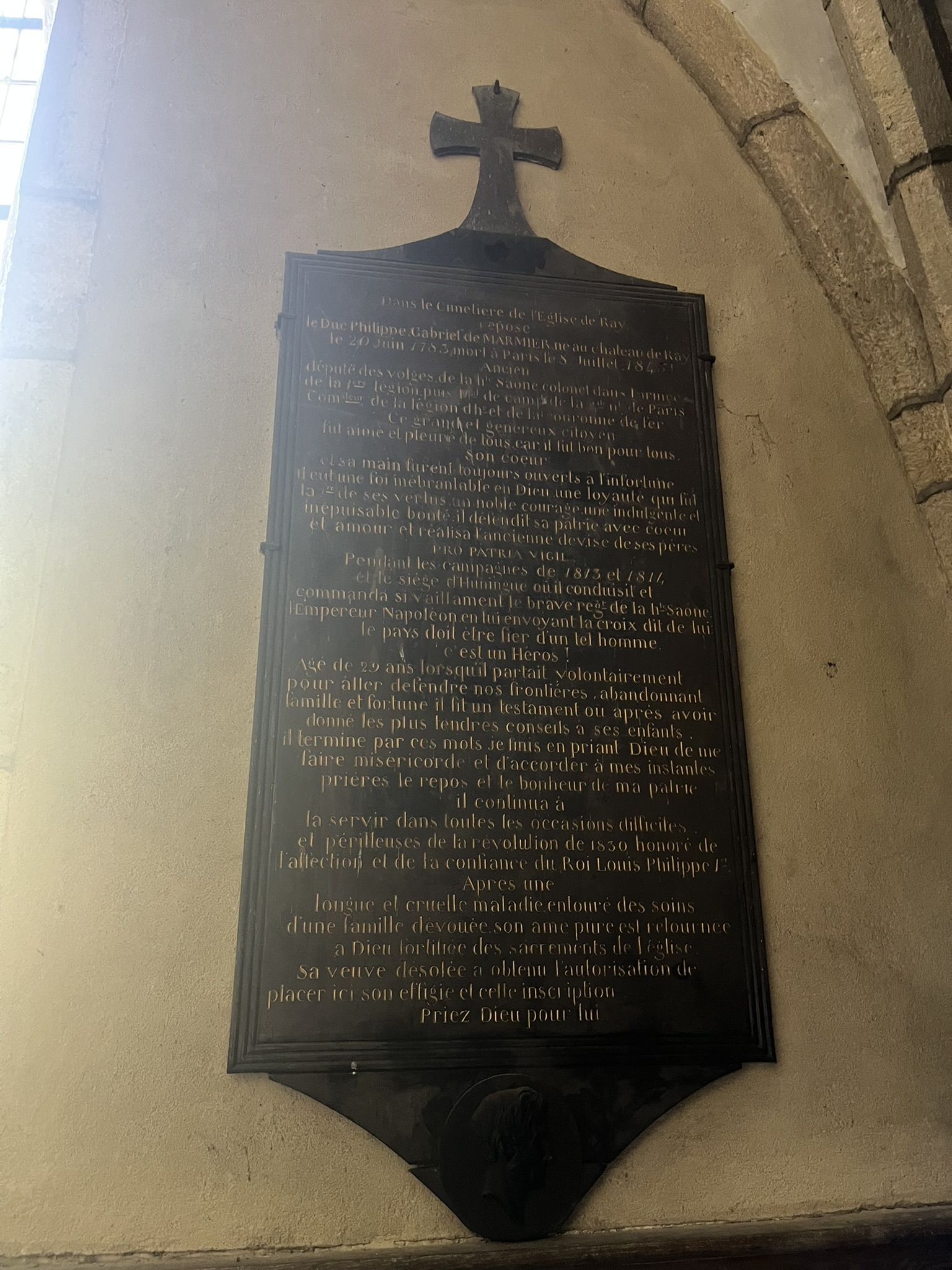
Hanging on a wall, there is an epitaph for Philippe-Gabriel de Marmier whose family owned the castle overlooking the church and the village. Here the inscription — punctuation was not applied to monumental inscriptions in France of the 18th and 19th century:
repose
le Duc Philippe-Gabriel de MARMIER né au château de Ray
le 26 Juin 1783, mort à Paris le 8 Juillet 1845.
Ancien
député des vosges de la hte Saône colonel dans l’armée
Comr. de la Légion d’hon. et chev. de la couronne de fer
Ce grand et généreux citoyen
fut aimé et pleuré de tous car il fut bon pour tous
et sa main furent toujours ouverts à l’infortune
il eut une foi inébranlable en Dieu une loyauté qui fut
la 1re de ses vertus un noble courage une indulgente et
inépuisable bonté il défendit sa patrie avec cœur
et amour et réalisa l’ancienne devise de ses pères
PRO PATRIA VIGIL
et le siège d’Huningue qu’il conduisit et
commanda si vaillamment le brave regt. de la hte Saône
l’Empereur Napoléon en lui envoyant la croix dit de lui
le pays doit être fier d’un tel homme
c’est un Héros !
pour aller défendre nos frontières, abandonnant
famille et fortune il fit un testament ou après avoir
donné les plus tendres conseils à ses enfants
il termine par ces mots je finis en priant Dieu de me
faire miséricorde et d’accorder à mes instantes
prières le repos et le bonheur de ma patrie
il continua à
la servir dans toutes les occasions difficiles
et périlleuses de la révolution de 1830 honoré de
l’affection et de la confiance du Roi Louis Philippe Ier
longue et cruelle maladie entouré des soins
d’une famille dévouée son âme pure est retournée
à Dieu fortifiée des sacrements de l’Église
Sa veuve désolée a obtenu l’autorisation de
placer ici son effigie et cette inscription
And here the translation:
rests
the Duke Philippe-Gabriel de MARMIER, born at the castle of Ray
on June 26, 1783, died in Paris on July 8, 1845.
Former
deputy of the Vosges of Haute-Saône, colonel in the army,
Commander of the Legion of Honor, and Knight of the Iron Crown.
This great and generous citizen
was loved and mourned by all, for he was good to everyone.
and his hand were always open to misfortune.
He possessed an unshakeable faith in God, a loyalty which was
the first of his virtues, a noble courage, an indulgent and
inexhaustible kindness. He defended his homeland with heart
and love, and fulfilled the ancient motto of his fathers:
PRO PATRIA VIGIL (Watchful for the Homeland).
and the siege of Huningue, which he led and
commanded so valiantly, the Emperor Napoleon, when sending the cross
to the brave regiment of Haute-Saône, said of him:
‘The country must be proud of such a man,
he is a Hero!’
to go and defend our borders, abandoning
family and fortune, he made a will wherein, after having
given the tenderest advice to his children,
he concluded with these words: ‘I finish by praying God to
show me mercy and to grant to my urgent
prayers the peace and the happiness of my homeland.’
He continued to
serve it in all the difficult
and perilous occasions of the Revolution of 1830, honored with
the affection and the confidence of King Louis Philippe I.
long and cruel illness, surrounded by the care
of a devoted family, his pure soul returned
to God, strengthened by the sacraments of the Church.
His desolate widow obtained the authorization to
place his image and this inscription here.
Pictures of the Church